
Why Traditional Consequences Fail Neurodivergent Kids (And What Works Instead)
Consequences often fail neurodivergent kids because their brains handle time and cause and effect differently. The CARE framework shows what teaches instead.
Topic
Jessica McCabe spent years making YouTube videos about her own ADHD and interviewing researchers along the way. This book is what she built from all of it. Focus, time, getting started, and the shame that piles up when none of those work the way you were told they should. It reads like an insider explaining it to you, plainly.
Cate Osborn, Erik Gude, and Rennie Dyball wrote the broad adult ADHD guide from the inside: executive dysfunction, time blindness, building systems, hormones, rejection sensitivity, intimacy, and dealing with healthcare. It makes room for BIPOC, trans, and nonbinary experiences that most ADHD books skip. The authors are educators and advocates with ADHD, not clinicians. For adults with ADHD who want one book that covers the actual life and not just the attention part.
Sol Smith, a coach diagnosed with ADHD as an adult, argues that the scattered, undisciplined feeling comes from environments built for other brains, not from a lack of willpower. He covers shame, time blindness, and burnout, then the tactics: gamifying work, body doubling, strategic avoidance, and finding community. It's a strengths-framed coaching book, not a clinical text. For the newly diagnosed, the undiagnosed, and anyone tired of being told to fix themselves.
Judith Kolberg is a professional organizer and Kathleen Nadeau is an ADHD clinician, and together they wrote about organizing a life when the standard advice assumes a brain you don't have. Your space, housework, time, and the routines that hold it together. If the bins-and-labels approach has collapsed within a week more than once, start here. It uses ADD terminology.
Tina Mathams built a money system around how ADHD motivation actually works, not how a budget spreadsheet assumes it works. It covers values, spending plans, debt, saving, and turning the boring parts into something you'll do. For adults with ADHD and small business owners who have started a budget six times and never made it to month two. The author is Australian, so some of the content is Australia-specific.
KC Davis is a therapist, and her approach to housework is function over form: a home exists to serve you, not to be judged. It covers cleaning and organizing when you're overwhelmed by ADHD, depression, chronic illness, or plain exhaustion, and the shame that comes with a sink full of dishes. It isn't ADHD-specific.
This is the client workbook for a cognitive behavioral treatment program for adult ADHD, one that has been tested in clinical trials. Organizing, planning, getting started, and time management, taught as skills you practice between sessions. It's built to be used alongside a therapist and the companion therapist guide. It is not standalone reading.
Jaclyn Paul wrote about keeping a house and a life organized with adult ADHD, from the inside. Household systems, chores, and the routines that have to survive a bad week, not just a good one. Her title matches the name of this practice, and nothing else does. There's no connection. The book is self-published.
Terry Matlen wrote this for women with ADHD, and it stays practical: the household, relationships, sensory overload, and self-care. Chores, organizing your space, and the sensory side most ADHD books skip entirely. It's for the woman whose noise, clutter, and demands all arrive at once.
Peg Dawson and Richard Guare built an executive skills framework, and this adult edition starts with a self-assessment so you can see which skills are strong and which keep failing you. From there it matches strategies to your profile for time, organization, work, and home. It isn't ADHD-specific. It's for the person who keeps buying systems built around someone else's weak spots.
Consequences often fail neurodivergent kids because their brains handle time and cause and effect differently. The CARE framework shows what teaches instead.

The morning, after-school, and bedtime routines that finally worked for our ADHD kids, what to do when a routine breaks down, and why predictable beats perfect.

The challenges ADHD and Autistic entrepreneurs face, and how the right systems, planning, and support help you build a business that works with your brain.

Body doubling means working with another person present, in person or online. Learn why it helps adults with ADHD start tasks, stay focused, and take breaks.
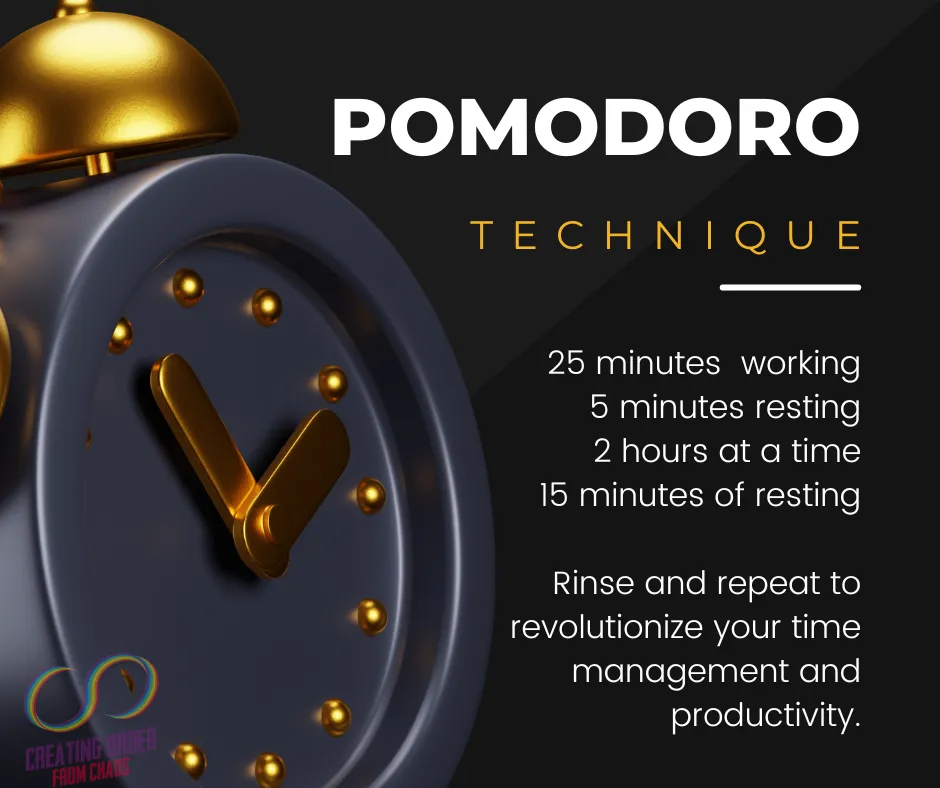
How the Pomodoro Technique helps adults with ADHD beat time blindness and distraction: work in timed blocks, take real breaks, and pair it with body doubling.