Free by email
BALANCE
A free printable plan for neurodivergent adults. Write down what you're like when you're well, what a slide looks like, and what to do in a crisis. Get it when you join the email list.
I use a lot of these worksheets and guides with my own clients, free. Pick the one that matches the week you're having, and if it helps, there's more where it came from.
Nothing matches that. Try fewer words, or press Clear.
Free by email
A free printable plan for neurodivergent adults. Write down what you're like when you're well, what a slide looks like, and what to do in a crisis. Get it when you join the email list.
Free by email
A free guide for managers and HR teams. Why a good employee starts missing updates and deadlines, and what to change before they burn out or quit. Get it when you join the email list.
Free by email
A free worksheet for parents starting ADHD medication. What changes to expect and when, and what to track for the doctor. Get it when you join the email list.
Free by email
A free resource for neurodivergent adults. Work out what you value and what you're good at, in your own words. Get it when you join the email list.
Free by email
A free resource for neurodivergent young adults in college or starting out. Name your top 5 values and find your strengths early, so the life you build is yours. Get it when you join the email list.
So I read a lot, and these are the books I recommend to clients, parents, and the people who work with them. Every book has a library link too, because you shouldn't have to buy a book to find out whether it's for you.
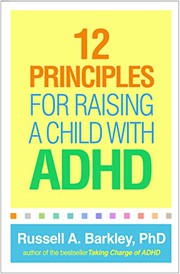
Shane's pick
Russell A. Barkley · 2020
The science backbone. If you want to know why willpower isn't the problem, start here.
Russell Barkley boiled his research and clinical work down to twelve principles for raising a kid with ADHD, covering behavior, emotion, meltdowns, and school. It's shorter and more direct than his big parent guide. For parents who want the core of what the research says to do, from a researcher and not a guru, in a book they can finish this week.
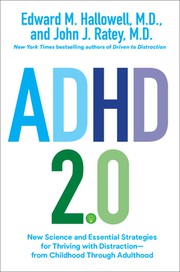
Shane's pick
New Science and Essential Strategies for Thriving With Distraction From Childhood Through Adulthood
Edward M. Hallowell, John J. Ratey · 2021
Driven to Distraction started the adult ADHD conversation. Now you can explore where we are going with ADHD 2.0.
The same two authors, back with newer science and a strengths-first take on ADHD. It covers how it shows up from childhood through adulthood, and what to do about focus, follow-through, and the way you talk to yourself about both. The tone is more certain than the evidence in a few places: the balance and cerebellar exercise ideas rest on thinner research than the book lets on. If you read Driven to Distraction years ago, this is the one to read next.
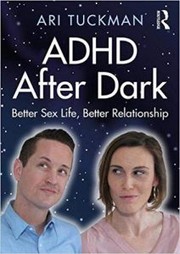
Shane's pick
Better Sex Life, Better Relationship
Ari Tuckman · 2019
The book nobody else wrote, on what ADHD does to intimacy, written like a clinician who's talked to thousands of couples.
Ari Tuckman is a psychologist and sex therapist, and this is a direct book about ADHD and sex. It covers how ADHD affects desire, intimacy, and the relationship around them, built on his own survey of couples. That's community survey data, not controlled research. For couples where the sex life has gone quiet and nobody wants to be the one to bring it up.
Shane's pick
Getting the Most Out of Life With Attention Deficit Disorder
Edward M. Hallowell, MD, John J. Ratey, MD
Edward Hallowell and John Ratey's follow-up to Driven to Distraction, written for adults with ADHD: what the condition is, how it affects focus and getting things done, and what it does inside a marriage. It's about 20 years old and uses ADD terminology. ADHD 2.0 is their newer book. For adults who want a full guide to how ADHD plays out in daily life and relationships.
Shane's pick
Recognizing and Coping With Attention Deficit Disorder (Revised)
Edward M. Hallowell, John J. Ratey
Driven to Distraction started the adult ADHD conversation. Now you can explore where we are going with ADHD 2.0.
For a lot of adults, this is the book where somebody finally said the words out loud. Edward Hallowell and John Ratey fill it with case after case of people whose lives look like yours, and what they did about each one. The original came out in 1994, and they revised it in 2011 with updated medical information, so get the revised edition. Even revised, it predates the DSM-5, and the thinking has moved on since. Read it for the recognition. For the same two authors working from the current science, that's ADHD 2.0.
Shane's pick
A Guide for the Anxious, Uniquely Wired, and Easily Distracted
Caroline Maguire · 2026
The friendship person. Social skills taught like skills, not character.
Maguire's book for adults this time: scripts and strategies for making and keeping friends when you have ADHD, autism, or anxiety, and the usual advice to just put yourself out there has never once worked. It covers starting friendships and keeping them alive. For the neurodivergent adult who is lonely and tired of being told it's a confidence problem.
Shane's pick
An Insider's Guide to Working With Your Brain (Not Against It)
Jessica McCabe · 2024
An insider explaining it to you plainly, with the shame part left in.
Jessica McCabe spent years making YouTube videos about her own ADHD and interviewing researchers along the way. This book is what she built from all of it. Focus, time, getting started, and the shame that piles up when none of those work the way you were told they should. It reads like an insider explaining it to you, plainly.
Shane's pick
Climbing the Circular Staircase of Attention Deficit Hyperactivity Disorder
Cynthia Hammer, MSW · 2023
Inattentive ADHD is the type that gets missed, especially in girls and women. Nobody pushes harder to change that.
Cynthia Hammer was diagnosed with inattentive ADHD at 49. The book pairs her story with practical guidance on getting a diagnosis, medication, health habits, and the everyday problem areas, and it argues that late-diagnosed adults can do well once they know what they're working with. It's personal experience, not research. Foreword by William Dodson.
Shane's pick
Why Our Kids With Behavioral Challenges Are Falling Through the Cracks and How We Can Help Them
Ross W. Greene · 2008
Greene takes Collaborative and Proactive Solutions into the classroom, for the kid who keeps ending up in the office and the teachers who are running out of options. He covers why discipline systems built on rewards and punishment miss these students, and what solving problems with them looks like. For educators first, and for parents who need to walk into the school meeting speaking the same language.
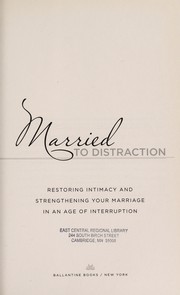
Shane's pick
How to Restore Intimacy and Strengthen Your Partnership in an Age of Interruption
Edward M. Hallowell, Sue Hallowell, Melissa Orlov
For the couple who stopped paying attention to each other and can't say when it happened.
Edward Hallowell, his wife Sue, and Melissa Orlov on what constant distraction does to intimacy. It draws on ADHD but it's written for any busy couple who feel like roommates passing in the hall. Pick it up when the problem is less one diagnosis and more two people who stopped paying attention to each other.
Shane's pick
Why It's Hard to Get Things Done With ADHD, Autism, and Anxiety (and How to Do Them Anyway)
Brendan Mahan, MEd, MS, Alex Hughes Capell · 2026
The Wall of Awful is the best explanation I know for why starting is so hard. If you're struggling with feeling stuck in life, check this book out!
Every failed attempt at a task adds a brick of shame, fear, or guilt. Stack enough of them and starting means climbing a wall nobody else can see. That's Brendan Mahan's Wall of Awful model, now a book with Alex Hughes Capell. It covers why it happens with ADHD, autism, and anxiety, and how to get over the wall anyway. For anyone who knows exactly what needs doing and cannot touch it.
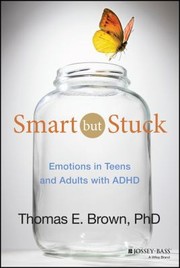
Shane's pick
Emotions in Teens and Adults With ADHD
Thomas E. Brown · 2014
For the bright kid or adult who can do it when they care and can't when they don't, and is ashamed of the gap.
Thomas Brown is a clinician-researcher, and this book is case stories of bright teens and adults with ADHD who are stuck, and what the emotions underneath have to do with it. Intelligence doesn't protect anyone from this. If you or your kid can do it when you care and can't when you don't, start here.
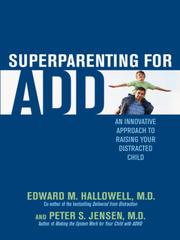
Shane's pick
An Innovative Approach to Raising Your Distracted Child
Edward M. Hallowell, Peter S. Jensen
Edward Hallowell and Peter Jensen start from the kid's strengths and build the parenting around those, not around the deficit list. The focus is identity: raising a kid with ADHD who doesn't grow up believing something is wrong with them. It uses ADD terminology. For parents who have read plenty about what their child can't do and want the other half of the picture.
Shane's pick
The Complete, Authoritative Guide for Parents (Fourth Edition)
Russell A. Barkley · 1996
The science backbone. If you want to know why willpower isn't the problem, start here.
Russell Barkley's parent guide covers the whole territory: what ADHD is, how it works in a developing brain, how to manage behavior at home, how to deal with schools, and how to think about medication. It's long and thorough on purpose. For parents who want the full picture from a researcher instead of an influencer, and who are willing to read a real book to get it. The audiobook is an earlier edition.
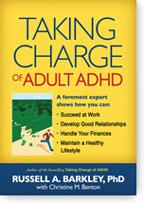
Shane's pick
Proven Strategies to Succeed at Work, at Home, and in Relationships (Second Edition)
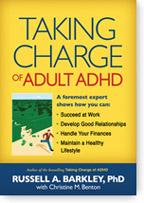
Russell A. Barkley · 2010
The science backbone. If you want to know why willpower isn't the problem, start here.
Russell Barkley has spent his career researching ADHD, and this is his guide for the adult living with it. It explains how ADHD works, lays out treatment and medication choices, and then gets specific about work, home, and relationships. This is the version backed by decades of research, not one person's story. Get the 2021 second edition.
Shane's pick
Understand and Rebuild Your Relationship in Six Steps
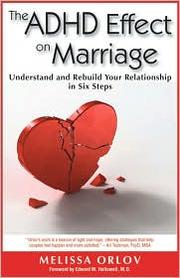
Melissa Orlov · 2010
Names the pattern that wrecks so many ADHD marriages: one partner's symptoms, the other's response, and the response to the response.
Melissa Orlov's six-step guide for couples where one partner has ADHD. It names the patterns that wear these marriages down, then walks through how to repair them, with communication and family dynamics in the frame. If you're both exhausted and neither of you can say exactly why, start here.
Shane's pick
Cate Osborn, Erik Gude, Rennie Dyball · 2026
It's a solid walk through the whole adult ADHD landscape, practical stuff first, no magic fixes.
Cate Osborn, Erik Gude, and Rennie Dyball wrote the broad adult ADHD guide from the inside: executive dysfunction, time blindness, building systems, hormones, rejection sensitivity, intimacy, and dealing with healthcare. It makes room for BIPOC, trans, and nonbinary experiences that most ADHD books skip. The authors are educators and advocates with ADHD, not clinicians. For adults with ADHD who want one book that covers the actual life and not just the attention part.
Shane's pick
Thriving With Your High-Energy Mind
Sol Smith
For the late-diagnosed adult who wants to understand themselves, not get fixed.
Sol Smith, a coach diagnosed with ADHD as an adult, argues that the scattered, undisciplined feeling comes from environments built for other brains, not from a lack of willpower. He covers shame, time blindness, and burnout, then the tactics: gamifying work, body doubling, strategic avoidance, and finding community. It's a strengths-framed coaching book, not a clinical text. For the newly diagnosed, the undiagnosed, and anyone tired of being told to fix themselves.
Shane's pick
Your Guide to Your Personal Recovery Plan
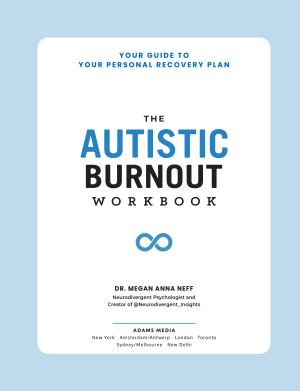
Dr. Megan Anna Neff · 2025
The best visual explanations of Autistic and AuDHD experience I've found, and the burnout workbook I hand clients.
Megan Anna Neff is a neurodivergent psychologist, and this workbook is for the autistic adult who has hit the wall: the skills that used to work are gone, the masking isn't sustainable, and rest isn't fixing it. She walks you through recognizing burnout and building a recovery plan around your own life. Autistic burnout isn't a formal diagnosis and the research on it is early. For autistic and AuDHD adults who are there now.
Shane's pick
Sol Smith
For the late-diagnosed adult who wants to understand themselves, not get fixed.
Sol Smith was diagnosed autistic as an adult and used his years as a professor to work out how to explain the differences and build skills around them. The book covers common misconceptions about autism, imposter syndrome, the hard parts of unmasking, and how to adjust your environment instead of yourself. It's coaching and lived experience, not a clinical text. For autistic adults figuring out who they are after years of fitting in.
Shane's pick
A New Approach for Understanding and Parenting Easily Frustrated, Chronically Inflexible Children (Sixth Edition)
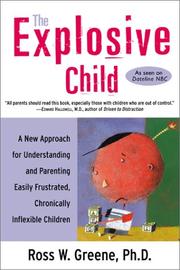
Ross W. Greene · 1998
Kids do well if they can. If you read one parenting book on explosive kids, read this one.
Ross Greene wrote this for parents of kids who go from fine to full meltdown in seconds and can't bend once they're there. His model, Collaborative and Proactive Solutions, starts from the idea that kids do well if they can, and that the explosions are a skills problem, not a motivation problem. For parents and teachers who have tried every consequence chart and watched each one fail. The audiobook is abridged and predates the 6th edition.
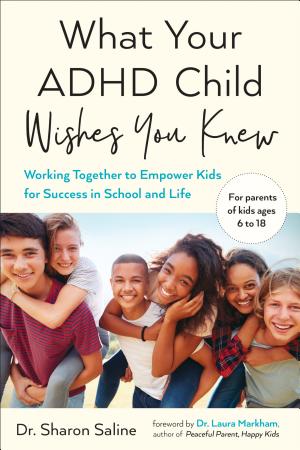
Shane's pick
Working Together to Empower Kids for Success in School and Life
Sharon Saline · 2018
Helps you hear what your kid has been trying to tell you, and build the relationship back from there.
Sharon Saline built this around what kids with ADHD say they wish their parents understood, and turned it into an approach to working with them instead of on them. Communication, school, and the daily battles over homework and getting out the door are the ground it covers. For parents who are tired of being the nag and want a different way in.
Shane's pick
The Play Better Plan to Help Children of All Ages Make Friends and Thrive
Caroline Maguire, Teresa Barker · 2019
The friendship person. Social skills taught like skills, not character.
Caroline Maguire's Play Better Plan is a parent-coaching method for kids who struggle socially, including kids with ADHD who miss the cues everybody else reads automatically. It puts you in the coaching role, working the specific skills at home instead of hoping they pick them up. For parents who have watched their kid get left out and don't know how to help without making it worse.
Shane's pick
Practical Steps to Cultivate Healthy Relationships
Tamara Rosier, PhD · 2024
Clear on why an ADHD brain runs on interest instead of importance, and the family book covers the whole house, not just the kid.
Tamara Rosier writes for the whole household where ADHD lives in one person or several: how emotions escalate, how conflict runs, and how repair happens after. It's practical, with the family system in view instead of one person's symptoms. It comes from a Christian imprint (Revell). For parents and couples who are tired of the same fight and want to understand what's actually driving it.
Shane's pick
Strategies for Navigating Your Emotions and Life With ADHD
Tamara Rosier, PhD · 2021
Clear on why an ADHD brain runs on interest instead of importance, and the family book covers the whole house, not just the kid.
You can have a task planned out perfectly and still not start it. My friend Tamara wrote the book on that gap. Dr. Tamara Rosier is an ADHD coach and the founder of the ADHD Center of West Michigan, and her argument is that the block usually isn't the plan. It's how you feel about starting. Most ADHD books hand you a planner and a system. Tamara starts with the emotions running your focus and the shame that builds behind them, because that's the layer the planners never touch.
Embrace Neurodiversity, Live Boldly, and Break Through Barriers
Sari Solden, Michelle Frank
Sari Solden and Michelle Frank wrote this for women with ADHD, and they built it around shame and identity instead of planners. It deals with the masking, the shame sitting underneath it, and building a life that fits the brain you have instead of the one you were performing. If you were diagnosed late, a lot of it is going to sound like your own history.
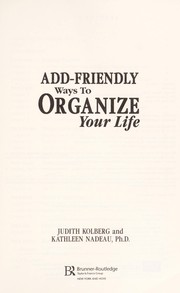
Strategies That Work From an Acclaimed Professional Organizer and a Renowned ADD Clinician (2nd Edition)
Judith Kolberg, Kathleen Nadeau
Judith Kolberg is a professional organizer and Kathleen Nadeau is an ADHD clinician, and together they wrote about organizing a life when the standard advice assumes a brain you don't have. Your space, housework, time, and the routines that hold it together. If the bins-and-labels approach has collapsed within a week more than once, start here. It uses ADD terminology.
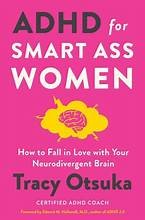
How to Fall in Love With Your Neurodivergent Brain
Tracy Otsuka · 2024
Tracy Otsuka hosts the podcast of the same name, and the book carries the same stance: your brain is not the problem you were told it was. It covers identity, shame, and the specific experience of being diagnosed later in life as a woman. Strengths-first, written for women who have spent years compensating.
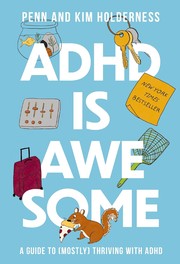
A Guide to (Mostly) Thriving With ADHD
Penn Holderness, Kim Holderness · 2024
Penn and Kim Holderness are married, and one of them has ADHD. This is their funny, personal account of what that looks like in a household, with practical tips mixed in. It leans hard on strengths and it's personal, not clinical. Read it when you need to laugh at the recognition before you're ready to work on anything.
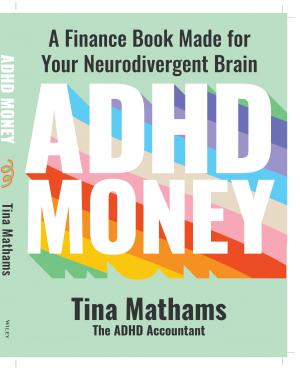
A Finance Book Made for Your Neurodivergent Brain
Tina Mathams · 2025
Tina Mathams built a money system around how ADHD motivation actually works, not how a budget spreadsheet assumes it works. It covers values, spending plans, debt, saving, and turning the boring parts into something you'll do. For adults with ADHD and small business owners who have started a budget six times and never made it to month two. The author is Australian, so some of the content is Australia-specific.
Thom Hartmann · 2019
This is the book that popularized the hunter and farmer idea. Thom Hartmann, a former psychotherapist, argues that ADHD traits look like a mismatch between a hunter's mind and a farmer's world instead of a disorder. It is a reframe, not settled science, so read it as a way to see yourself differently, not as an explanation of where ADHD came from. It also offers practical, non-drug strategies for adults, parents, teachers, and managers.
Stephen P. Hinshaw, Katherine Ellison · 2015
Stephen Hinshaw and Katherine Ellison wrote a question-and-answer overview of ADHD: the science, diagnosis, treatment, medication, and the controversies around all of it. It's written for general readers, so parents, teachers, and adults new to the diagnosis all get the same clear answers. The prevalence and research data date from 2015. Hand it to the relative who still thinks ADHD is an excuse.
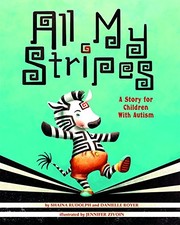
A Story for Children With Autism
Shaina Rudolph, Danielle Royer
A picture book about an autistic zebra who worries that his differences are all anyone sees, and who learns they're part of who he is. It's simple enough for a young child and honest enough that it doesn't talk down. For young autistic kids and the parents reading to them, when the goal is a kid who knows the word and doesn't flinch at it.
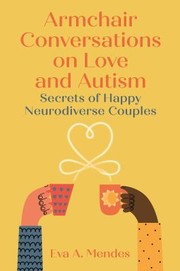
Secrets of Happy Neurodiverse Couples
Eva A. Mendes · 2024
Eva Mendes is a couples therapist, and she interviewed neurodiverse couples about what makes their relationships work. The conversations cover connection, sex, co-parenting, money, and communication across the differences in how each partner is wired. For couples where one or both partners are autistic and the usual relationship advice keeps assuming two people who read each other the same way.
Leanne Maskell · 2025
Leanne Maskell is a coach who was diagnosed autistic and ADHD as an adult, and this is half memoir, half practical guide to living with both at once, including the parts where the two pull in opposite directions. She covers late diagnosis, identity, and what it takes to stop fighting your own wiring. It's self-published, memoir-heavy, and it covers childhood trauma. She's UK-based. For AuDHD adults, especially late-diagnosed women, who haven't found a book that describes both halves of them.
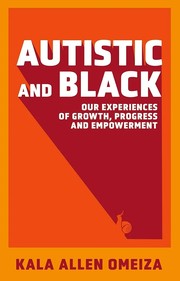
Our Experiences of Growth, Progress and Empowerment
Kala Allen Omeiza · 2024
Kala Allen Omeiza collected first-person accounts from Black autistic people on identity, racism, policing, and the barriers that stand between them and care. The world reads a Black body one way before an autistic person says a word, and this book is about living inside that. For autistic adults who have never seen themselves in the usual autism books, and for the clinicians who serve them.
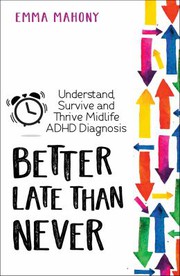
Understand, Survive and Thrive: Midlife ADHD Diagnosis
Emma Mahony · 2023
Emma Mahony was diagnosed with ADHD at 52, and this is her memoir and guide to what came after: getting the diagnosis, deciding about medication, and rebuilding daily life around what she finally understood. It also covers the overlap with menopause. If you were diagnosed in midlife, here is someone who did it at the same age.
The ADHD Entrepreneur's Guide to Success
Amanda Perry · 2026
For owners who keep building a business their own brain can't sustain.
Amanda Perry has founded more than one company with ADHD, and this is her method for building a business around that wiring instead of against it. It covers running the operation, shaping the work around how your attention runs, and avoiding the burnout that hits ADHD founders hard. For entrepreneurs who keep building businesses their own brain can't sustain. She's UK-based.
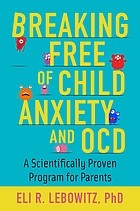
A Scientifically Proven Program for Parents
Eli R. Lebowitz · 2020
For when the whole house has rearranged itself around one kid's fear and it keeps growing anyway.
Eli Lebowitz's SPACE program treats a child's anxiety or OCD by changing what the parents do, specifically by reducing the accommodations families build around the fear. It's a parent-delivered program, laid out so you can run it at home. For parents of anxious kids and teens who have reorganized the whole house around the anxiety and watched it grow anyway.
A Neurodivergent's Guide to Embracing Your True Self and Finding Your Happily Ever After
Chloé Hayden · 2022
Chloé Hayden is an autistic and ADHD actor, and this is part memoir, part guide for teens and young adults figuring out who they are underneath the mask. Friendships, identity, and the exhaustion of performing normal. It's an Australian context, and it isn't Temple Grandin's similarly titled book. For the teenager who was just diagnosed, or the parent who wants to hand them something written by someone who lived it recently enough to remember.
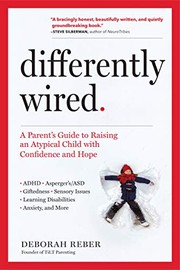
Raising an Exceptional Child in a Conventional World
Deborah Reber · 2018
Deborah Reber is a parent, not a clinician, and this is the book about changing how you think before you change what you do. It's a set of mindset shifts for parents of neurodivergent and twice-exceptional kids, starting with letting go of the conventional script. For the parent who is exhausted from trying to make an atypical kid fit a typical path.
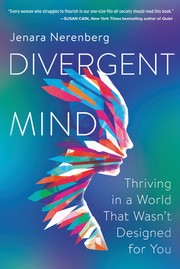
Thriving in a World That Wasn't Designed for You
Jenara Nerenberg · 2020
Jenara Nerenberg is a journalist, and she went looking for why ADHD, autism, and sensory sensitivity get missed in women. The book covers late diagnosis, sensory processing, and the identity shift when the explanation finally shows up. One thing to know: it groups highly sensitive person, which is a research trait and not a diagnosis, with the clinical conditions. For women who got every label except the right one for decades.
The Expert-Led Guide to Autism and ADHD Co-concurrence
Dr Khurram Sadiq · 2025
A psychiatrist's version of how autism and ADHD overlap in one person. Clinical, not a memoir.
Dr. Khurram Sadiq is a UK neurodevelopmental psychiatrist, and this is his explanation of how autism and ADHD overlap and interact in the same person. It pairs the clinical picture with lived accounts and guidance on adjusting to a new diagnosis and advocating for yourself. It's the clinician's version of AuDHD, not a memoir. It's written in a UK healthcare context, and the US edition has a different ISBN.
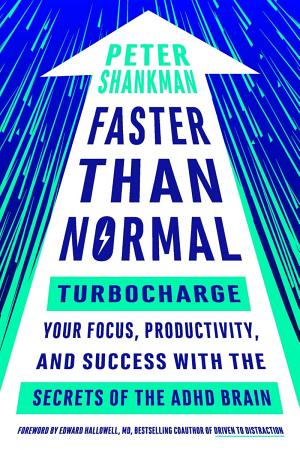
Turbocharge Your Focus, Productivity, and Success With the Secrets of the ADHD Brain
Peter Shankman
A founder with ADHD lays out the routines he built around his own brain. Take the systems and skip the superpower talk.
Peter Shankman built companies with ADHD, and this is his account of the routines and systems he built around his brain to do it. Focus, productivity habits, and running a business when your attention doesn't run on command. It's personal, high-energy, and anecdotal, and it frames ADHD as a superpower. Know that going in.
The Impact on Brain and Body
Lotta Borg Skoglund, Helena Kopp Kallner · 2026
Lotta Borg Skoglund and Helena Kopp Kallner are Swedish clinicians, and they connect the sex-hormone research to ADHD across a whole life, from puberty through post-menopause. It covers what hormones do to symptoms and to medication decisions at each stage. For women with ADHD and the clinicians treating them: the evidence in one place instead of scattered across journals.
Understanding, Supporting, and Advocating for Your Twice Exceptional Child
Julie F. Skolnick · 2023
For the parent who keeps hearing "but he's so smart" as if that settled it.
Julie Skolnick's guide is for parents of twice-exceptional kids, the ones who are gifted and also ADHD, autistic, or dyslexic, and who confuse every teacher they meet. It's strengths-based, with a hard focus on advocacy: how to get the school to see both halves. Her background is legal and education, not clinical. For parents who keep hearing "but he's so smart" as if that settled it.
How Fathers Can Journey to Autism Awareness, Acceptance, and Appreciation
James Guttman · 2025
James Guttman is a single dad raising a non-speaking autistic child, and this is his candid account of it. It covers the daily work of parenting, the family dynamics, and the gatekeeping that treats fathers as backup caregivers instead of parents. It's about fathering an autistic child, not about being a neurodivergent dad. For dads who have been talked past in every waiting room.
A Gentle Approach to Cleaning and Organizing
KC Davis
KC Davis is a therapist, and her approach to housework is function over form: a home exists to serve you, not to be judged. It covers cleaning and organizing when you're overwhelmed by ADHD, depression, chronic illness, or plain exhaustion, and the shame that comes with a sink full of dishes. It isn't ADHD-specific.
Kelly Mahler · 2015
Kelly Mahler is an occupational therapist, and this is her guide to interoception: the sense that tells you that you're hungry, tired, anxious, or about to lose it. A lot of neurodivergent kids can't read those signals, which is why emotional regulation advice fails them. The eighth-sense label is a teaching convention, not a formal category. For parents, teachers, and clinicians who want to teach the body signals before the coping skills.
Stopping the Roller Coaster When Someone You Love Has Attention Deficit Disorder
Gina Pera
Gina Pera wrote this for the partner, not the person with ADHD. It covers how to recognize adult ADHD in someone you love, what treatment and medication involve, and the relationship dynamics that build up around symptoms nobody has named. If you're the one holding the household together and nobody has explained why, this talks to you. It uses A.D.D. terminology.
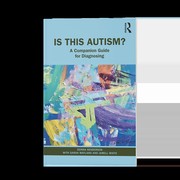
A Guide for Clinicians and Everyone Else
Donna Henderson, Sarah Wayland, Jamell White · 2023
Donna Henderson, Sarah Wayland, and Jamell White take the diagnostic criteria one at a time and show what each looks like in people who learned to hide it, with more than a hundred autistic adults quoted along the way. The point is the presentations clinicians were never trained to see: the masked, the verbal, the late. There's a separate companion guide for diagnosing, so don't confuse the two. If you suspect you were missed, or you're the professional doing the assessing, this is the reference.
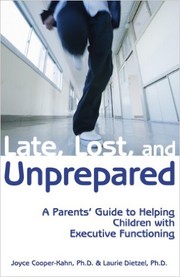
A Parents' Guide to Helping Children With Executive Functioning (2nd Edition)
Joyce Cooper-Kahn, Laurie Dietzel
Why your kid can know what to do and still not do it, and how to help without doing it for them.
Two psychologists, Joyce Cooper-Kahn and Laurie Dietzel, on executive functioning for parents: what it is, why your kid can know exactly what to do and still not do it, and how to support them at home and at school without doing it for them. Routines, homework, and the morning rush. For the parent of the kid who is late, lost, and unprepared, as the title says, and not for lack of trying.
A Defense of the Exhausted, Exploited, and Overworked
Devon Price, PhD · 2021
The title is the argument. Devon Price says what gets called laziness is almost always an unseen barrier, exhaustion, or burnout, and the book makes the case across work, shame, and the overworked people who get blamed for not doing more. It's a cultural argument, not a clinical text, and it isn't specific to autism or ADHD. If you've ever called yourself lazy, or you manage someone you've called that, read it.
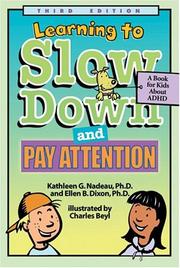
A Book for Kids About ADHD
Kathleen Nadeau, Ellen Dixon
Written for kids, not about them. Kathleen Nadeau and Ellen Dixon explain what ADHD is in language a child can take in, and then give them tools they can use themselves for focus and slowing down. For parents who want their kid to understand their own brain instead of only hearing about it from adults.
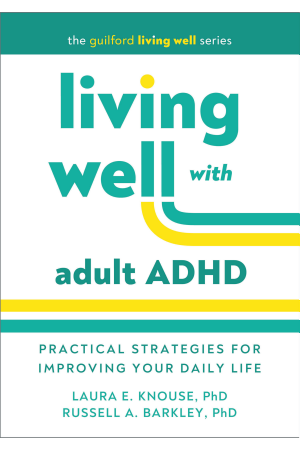
Practical Strategies for Improving Your Daily Life
Laura E. Knouse, Russell A. Barkley · 2025
This is Russell Barkley's newest book for adults, co-written with Laura Knouse and out as of October 2025. It lays out science-based methods for staying organized, finishing tasks, managing time, handling emotions and impulses, and dealing with relationship friction. It comes with checklists, self-coaching tips, and downloadable forms. If Taking Charge of Adult ADHD is the explanation, this is the hands-on companion.
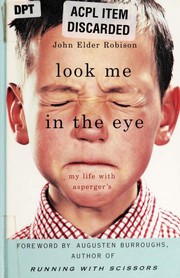
My Life With Asperger's
John Elder Robison · 2007
John Elder Robison grew up autistic with nobody around him who could name it, and he didn't find out until he was an adult. The memoir covers the years of being the strange kid, then the strange adult, then the man who finally had an explanation. It uses Asperger's terminology, which DSM-5 retired. If you were diagnosed late, especially as a man, this is someone who spent the same decades not knowing.
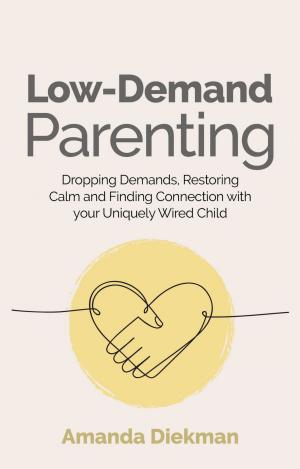
Dropping Demands, Restoring Calm, and Finding Connection With Your Uniquely Wired Child
Amanda Diekman · 2023
Amanda Diekman's approach is subtraction: drop the demands that are feeding the anxiety, restore calm, and rebuild the connection before anything else. It comes from her own house, raising her own kids. It's a practice and lived-experience approach, without controlled trials. For parents of a high-anxiety, demand-avoidant neurodivergent kid where every request turns into a fight and the usual parenting advice makes it worse.
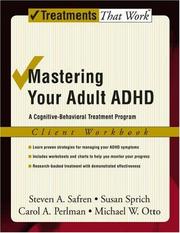
A Cognitive-Behavioral Treatment Program, Client Workbook (2nd Edition)
Steven A. Safren, Susan E. Sprich, Carol A. Perlman, Michael W. Otto
This is the client workbook for a cognitive behavioral treatment program for adult ADHD, one that has been tested in clinical trials. Organizing, planning, getting started, and time management, taught as skills you practice between sessions. It's built to be used alongside a therapist and the companion therapist guide. It is not standalone reading.
How to Navigate Hormone Flux and Neurodivergence
Dr Helen Wall · 2026
Dr. Helen Wall is a GP, and her book is about what perimenopause and menopause do to ADHD. It covers how symptoms shift as hormones change and how to advocate for yourself with doctors who may not connect the two. It's a UK book, so the healthcare references are NHS-based. If things got harder and you want the mechanism, not a shrug, start here.
A Guide to Cultivating Calm, Reducing Stress, and Helping Children Thrive
Mark Bertin · 2015
Mark Bertin is a developmental pediatrician, and this book does two things at once: it teaches mindfulness for the parent's own stress, and it covers the practical management of ADHD at home. The premise is that a depleted parent can't run the systems. For parents who know what they should be doing and are too fried to do it.
Build Executive Functioning Skills, Increase Motivation, and Improve Self-Confidence
Mark Bertin, Karen Bluth
Mark Bertin and Karen Bluth write straight to the teenager, not the parent. Mindfulness and self-compassion applied to executive function, motivation, and the self-esteem that years of being told to try harder have worn down. For teens with ADHD who are sick of being managed and want a tool that's theirs.
A User Guide to an Asperger Life
Cynthia Kim · 2014
Cynthia Kim was diagnosed autistic as an adult and wrote the manual she wished she'd had: how to handle work, friendships, marriage, and basic self-care when your brain runs on different rules. Practical and specific rather than inspirational. It uses Asperger terminology. For late-diagnosed adults, women in particular, who have the diagnosis now and need to know what to do with it.
Drive Innovation, Performance and Productivity With a Neurodiverse Workforce
Amanda Kirby, Theo Smith · 2021
Amanda Kirby and Theo Smith wrote this for HR and leadership: how to recruit neurodivergent people, how to onboard and support them, and what the organization gets out of it. It's UK-centric. For the manager or HR lead who was told to do better on neurodiversity and needs an actual plan instead of a poster in the break room.
The Legacy of Autism and the Future of Neurodiversity
Steve Silberman · 2015
Steve Silberman wrote the history of autism: the research, the people who shaped it, and the neurodiversity movement that grew up in response. It covers how the diagnosis came to be and how autistic people came to speak for themselves. Reviewers have criticized its retrospective diagnoses of historical figures and its portrayal of Leo Kanner. For anyone who wants to understand where the current ideas came from.
My Extraordinary Autistic Life
Laura James · 2017
Laura James is a working journalist who was diagnosed autistic in her mid-40s, and this memoir covers what came after. Sensory overload, the relief and grief of finally having a name for it, and what that does to the story you tell about your own life. For women diagnosed late who want company on the page, not a workbook.
The Everyday Grind of Staying Organized With Adult ADHD
Jaclyn Paul
Jaclyn Paul wrote about keeping a house and a life organized with adult ADHD, from the inside. Household systems, chores, and the routines that have to survive a bad week, not just a good one. Her title matches the name of this practice, and nothing else does. There's no connection. The book is self-published.
Dialectical Behavior Therapy Skills to Help Your Child Regulate Emotional Outbursts and Aggressive Behaviors
Pat Harvey, Jeanine A. Penzo · 2009
For the kid who goes from zero to screaming and can't come back alone.
Pat Harvey and Jeanine Penzo take skills from dialectical behavior therapy and hand them to parents of kids whose emotions arrive big, fast, and hard to bring down. Validation, regulation, and what to do during the outburst and after it. For parents of the kid who goes from zero to screaming and can't come back on their own.
A Guide for Professionals
Tony Attwood, Maxine Aston · 2025
Tony Attwood and Maxine Aston wrote this for professionals: a clinical guide to adapting couples work when one or both partners are autistic. It covers the communication differences and what those differences call for in standard counseling. Clinicians and coaches who see neurodiverse couples will use it. Couples can read it to see what good help should look like. Some autistic readers have criticized the authors' earlier framing of autistic partners, so read with that in mind.

The Origins and Healing of Attention Deficit Disorder
Gabor Maté
Gabor Maté is a physician, and his argument is that early stress and attachment shape how ADHD develops. His approach to healing follows from that. He covers emotional regulation and family dynamics through that lens, for adults with ADHD and for parents. It's contested: his environmental account of where ADHD comes from conflicts with strong evidence for genetic heritability. Read it as one physician's case, with that in hand.
The Revolutionary Executive Skills Approach to Helping Kids Reach Their Potential (Second Edition)
Peg Dawson, Richard Guare, Colin Guare
Peg Dawson and Richard Guare break executive skills into their parts, give you a way to assess which ones your kid is short on, and then match strategies to the gaps. It's aimed at kids roughly 4 to 12. Get the 2024 second edition. For parents of the bright kid who can't find their shoes, start their homework, or remember what they walked into the room for.
The "Executive Skills" Program for Helping Teens Reach Their Potential
Richard Guare, Peg Dawson, Colin Guare · 2012
The same executive skills program, rebuilt for teenagers, where the stakes are higher and the kid wants you out of it. It covers assessment, strategies, and how to coach without turning into the enforcer. This is the first edition only, now over a decade old. For parents of teens who are capable and still drowning in missed assignments and lost time, and who need a way in that doesn't start another fight.
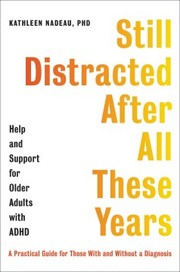
Help and Support for Older Adults With ADHD
Kathleen G. Nadeau, PhD · 2022
Kathleen Nadeau on ADHD in later life, which almost nobody writes about. It covers the anxiety and depression that often ride along, the support systems that matter as you age, and what an ADHD-friendly retirement looks like. For older adults, including those diagnosed late, who have noticed that every other book assumes the reader is thirty-five.
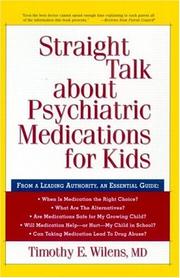
Fourth Edition
Timothy E. Wilens, Paul G. Hammerness
Timothy Wilens and Paul Hammerness are clinicians, and they wrote the parent guide to psychiatric medication for kids: what the medications do, what to watch for, and how to make the decision with the prescriber instead of nodding in the appointment. The 2016 edition predates newer medications, so check current options with a prescriber. For parents facing the medication question who want to walk in informed.
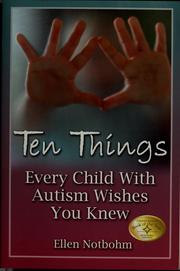
3rd Edition, Revised and Updated
Ellen Notbohm · 2005
Ellen Notbohm wrote this from the child's point of view, and it's the book people hand you in the first weeks after a diagnosis for a reason. Ten things an autistic kid would tell you if they could, about sensory input, about language, about what the behavior means. Short and plain. For parents and teachers who just got the news and need somewhere to start.
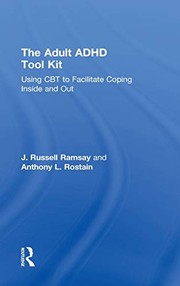
Using CBT to Facilitate Coping Inside and Out
J. Russell Ramsay, Anthony L. Rostain · 2015
Russell Ramsay and Anthony Rostain are clinician-researchers, and this is their self-help version of CBT for adult ADHD. It takes on procrastination, the self-talk running underneath it, and the day-to-day coping nobody schedules a session for. You get the skills of therapy without needing someone in the room to start.
How to Get Shit Done When You Don't Feel Like It
Dani Donovan
Dani Donovan is an ADHD comic artist, and The Anti-Planner is her toolkit for getting things done when you don't feel like it. It is organized around how you feel when you're stuck, not around dates and calendars. It comes in an original edition and a clean-language edition. It's her own system from lived experience, not research. If every planner you've bought ended up in a drawer, start here.
(For Dads, Who Never Thought They'd Need One)
Andy Williams, Gaz Hitchin · Announced Apr 2027
Andy Williams and Gaz Hitchin run the Autism Dadcast, and this handbook is for fathers of autistic kids who never expected to need one. It covers diagnosis, grief, meltdowns, holding down work, and the dad's own mental health while all of that is happening. It isn't out yet. It's announced for April 2027, and it's UK-specific in places.
Thinking Across the Spectrum
Temple Grandin, Richard Panek · 2013
Temple Grandin walks through the neuroscience of autism and lays out her model of the different ways autistic people think. She writes from inside an autistic brain, so the science comes with a running account of what it feels like from the other side of the scanner. The neuroscience dates from 2013. Read it to understand your own sensory wiring or your kid's, from someone who lives there.
A Guide to Neurodiversity, Dignity, and Intersectional Belonging at Work
Ludmila N. Praslova, PhD · 2024
Ludmila Praslova is an organizational psychologist, and her argument is that workplaces failing neurodivergent people are failing everybody, just more quietly. She lays out a framework for building workplaces that don't, with intersectionality built in instead of bolted on. For employers, HR, and anyone with hiring power who wants the structural fix, not a one-off accommodation.
An Illustrated Guide to Pathological Demand Avoidance
Eliza Fricker · 2021
Eliza Fricker draws it instead of explaining it: an illustrated guide to living with a kid who has a demand-avoidant profile, from a parent who has one. The drawings carry what prose misses about the daily texture of it. PDA is contested and isn't in DSM-5-TR or ICD-11, and the framing here is UK. For parents who need to see their own house on the page, and for the relatives who still don't believe you.
A Memoir of Marriage, Asperger Syndrome, and One Man's Quest to Be a Better Husband
David Finch · 2012
A husband keeps a record of what worked after his autism diagnosis, and it's honest about the arguments.
David Finch found out he was autistic after years of marriage, and he responded by keeping a journal of what worked and what didn't in being a husband. The book is that record, honest about the arguments, the misreads, and the slow rebuilding. It uses Asperger terminology. For autistic men and their partners who want to see what it looks like when a diagnosis becomes a tool instead of an excuse.
An 8-Step Program for Strengthening Attention, Managing Emotions, and Achieving Your Goals
Lidia Zylowska · 2012
Lidia Zylowska adapted mindfulness training for adults with ADHD and laid it out as an eight-step program with guided practices. Attention, emotional regulation, and follow-through on goals, built for a brain that finds sitting still hard. If meditation apps have bounced off you, this one starts from the ADHD side of the problem.
An Employer's Guide to Managing and Working With Neurodivergent Employees, Clients and Customers
Victoria Honeybourne · 2019
Victoria Honeybourne's employer guide covers autism, ADHD, dyslexia, and related conditions in one place: what adjustments look like, how to manage, and how to communicate with neurodivergent staff, clients, and customers. It's practical rather than theoretical, and the legal framing is UK. For the business owner or manager who needs to know what to do on Monday.
Recognizing and Coping With Sensory Processing Differences (Third Edition)
Carol Stock Kranowitz
Carol Kranowitz wrote the parent guide to sensory processing differences: the kid who can't stand tags, seams, and loud rooms, or the one who crashes into everything looking for input. It covers how to recognize it, how it shows up at home and school, and what helps. Sensory processing disorder is not a DSM-5 diagnosis, and the 3rd edition shifted to differences language. For parents and teachers watching a kid melt down over things nobody else can see.
How Women With ADHD Can Conquer Chaos, Find Focus, and Get More Done
Terry Matlen
Terry Matlen wrote this for women with ADHD, and it stays practical: the household, relationships, sensory overload, and self-care. Chores, organizing your space, and the sensory side most ADHD books skip entirely. It's for the woman whose noise, clutter, and demands all arrive at once.
The Science and Sense of Giving Your Kids More Control Over Their Lives
William Stixrud, Ned Johnson · 2018
William Stixrud and Ned Johnson make the case that kids need a sense of control over their own lives, and that chronic stress and anxiety grow out of not having it. They cover the science and then what to do with it, from preschool through high school. It isn't ADHD-specific. For parents of anxious, pressured kids of any wiring who want to stop managing them and start handing some control back.
How to Use Your Brain's Executive Skills to Keep up, Stay Calm, and Get Organized at Work and at Home
Peg Dawson, Richard Guare
Peg Dawson and Richard Guare built an executive skills framework, and this adult edition starts with a self-assessment so you can see which skills are strong and which keep failing you. From there it matches strategies to your profile for time, organization, work, and home. It isn't ADHD-specific. It's for the person who keeps buying systems built around someone else's weak spots.
60 Fun Activities to Help Children Self-Regulate, Focus, and Succeed
Kelli Miller
Sixty activities for kids on self-regulation and focus, built to be done and not read. Kelli Miller's workbook gives a child something to practice instead of something to be told. For parents of elementary-age kids with ADHD who want a hands-on tool for the kitchen table, and for kids who learn by doing.
What to Do If You Are Sensory Defensive in an Overstimulating World
Sharon Heller, PhD · 2002
Sharon Heller writes for adults, not kids, who find ordinary environments unbearable: the fluorescent lights, the scratchy shirt, the restaurant everyone else calls lively. She explains what sensory defensiveness is and lays out what you can do about it. It's from 2002 and uses older OT terminology. For the autistic or ADHD adult who has spent years being told you're too sensitive.
Rejection, Resilience, and the Science of Feeling Deeply
Sasha Hamdani, MD · 2026
Sasha Hamdani is a psychiatrist, and her subject is emotional sensitivity: feeling things hard, and the sting of rejection that lands harder for a lot of people with ADHD. The book includes a self-assessment and strategies for regulating what comes up. One caution: rejection sensitivity is a practice-based concept, not a formal diagnosis, and the research on it is still thin. If a mild comment from a coworker can wreck your afternoon, this is written for you.
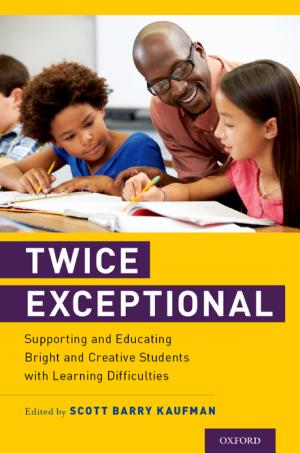
Supporting and Educating Bright and Creative Students With Learning Difficulties
Scott Barry Kaufman (editor) · 2018
This is an edited volume: scholars, clinicians, and educators each taking a piece of the same problem. The gifted kid who also has ADHD, autism, or a learning disability gets missed because one side hides the other. Identification, teaching, and support are all covered. It's academic, not a light read. For educators and clinicians who need the research, and parents willing to do the reading.
The Palette Within
Ayana Gibbs, Stephanie Ozuo · Announced Feb 2027
Ayana Gibbs and Stephanie Ozuo are Black women with ADHD, and they wrote this part memoir, part guide. It covers the myths that get Black women missed, sickle cell disease, rejection sensitivity, and the barriers to getting diagnosed and treated. It isn't out yet. It's announced for February 2027, and the date may change.
A Different Way of Seeing Autism (Updated and Expanded)
Barry M. Prizant, PhD, Tom Fields-Meyer · 2015
Barry Prizant has spent decades working with autistic kids and their families, and his argument is simple: the behavior everybody wants to stop is usually the kid coping or communicating. He walks through meltdowns, repetition, and the things that look like defiance, and shows what each one is doing for the child. If you're a parent, teacher, or clinician who has been handed a behavior plan and a bad feeling about it, start here. Get the 2022 expanded edition.

The Ultimate Guide to ADHD, Autism and Neurodivergence
Ellie Middleton · 2023
Ellie Middleton was diagnosed with both ADHD and autism as an adult, and UNMASKED is her plain-language primer on what each one is, how they overlap, and what masking costs. No clinical gatekeeping and no jargon. It's written in a UK context. If you're newly diagnosed AuDHD, or a young person trying to explain yourself to people who keep saying you seem fine, hand them this one first.
Discovering the New Faces of Neurodiversity
Devon Price, PhD · 2022
If you were told you couldn't be autistic because you seemed fine, start here.
Devon Price is a social psychologist writing from inside the experience, and this is the book on masking: the lifelong performance of looking normal and what it costs. It covers how masking forms, how to recognize it in yourself, the burnout it produces, and how to start taking it off. For adults who suspect or just learned they are autistic, especially the ones who were told they couldn't be because they seemed fine.
The Autistic Person's Guide to Connecting, Loving, and Living Authentically
Devon Price, PhD · 2025
The sequel, for after the mask is off and you wonder what a normal week looks like.
Devon Price's follow-up to Unmasking Autism moves from understanding the mask to living without it. It covers the practical skills for friendships, family, work, and romance, and the communication each one takes when you stop performing. For autistic and AuDHD adults who finished the first book and then wondered what an unmasked week actually looks like.
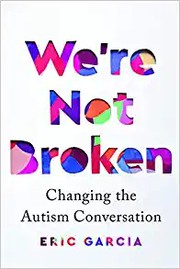
Changing the Autism Conversation
Eric Garcia · 2021
Eric Garcia is an autistic journalist, and he reports on autism the way a journalist should: policy, services, and the actual lives of autistic adults. He covers where the systems fail and who gets left out of the conversation, with sources instead of sentiment. Read it if you want the history and the politics, or if you hire and manage people and want to know what they're up against.
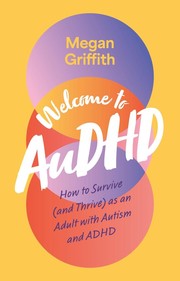
How to Survive (and Thrive) as an Adult With Autism and ADHD
Megan Griffith · 2025
Megan Griffith was diagnosed with both autism and ADHD in her late twenties, and she wrote this practical guide from inside that. Daily life, work, identity, and staying out of burnout when the two pull in opposite directions. If every book you've picked up explains half of you, this one covers both. It's lived experience, not clinician-authored.
Professional Advice for Parents, Partners, and Siblings
Russell A. Barkley · 2016
Most of Russell Barkley's books are written for the person with ADHD or for a parent. This one is for the people around an adult who has it: partners, parents, and siblings. If you love someone with ADHD and keep running into the same wall, it gives you the researcher's view of what is going on. Published by the American Psychological Association.
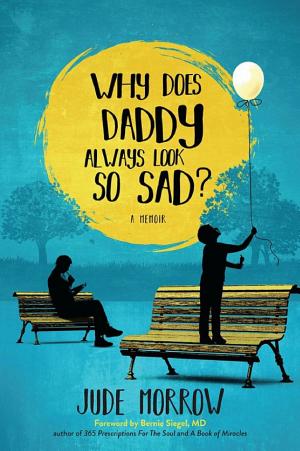
Jude Morrow · 2020
Jude Morrow was diagnosed autistic at 11, and this memoir is about becoming a father as an autistic man. It covers identity, family dynamics, and the question in the title. It's one of the few first-person accounts from that exact seat, for autistic men raising children and for the partners and parents trying to understand them.
Understanding Life Experiences From Early Childhood to Old Age (Second Edition)
Sarah Hendrickx, Jess Hendrickx
Sarah and Jess Hendrickx pull together the research on autistic women and girls and set it next to first-person accounts, from childhood through old age. Masking, burnout, and what menopause does to an autistic nervous system each get their own treatment. Get the 2024 second edition. For women wondering whether the diagnosis fits, the clinicians assessing them, and parents of girls who don't look like the textbook.
The Classic Self-Help Book for Adults With Attention Deficit Disorder
Kate Kelly, Peggy Ramundo · 1993
You called yourself those three words for years before you had a better explanation. Kate Kelly and Peggy Ramundo wrote this in 1993 for adults who did exactly that. Their argument is simple: the problem was never your character. Then it gets practical about daily life. The language is dated, same era, same ADD terminology. Read it for the part where somebody finally says the problem isn't you.
The ADHD Guide to Building Healthy, Connected Relationships
Kristen Carder · 2026
Kristen Carder is an ADHD coach, and her book is a trauma-informed look at relationships of every kind: partners, friends, kids, coworkers, and the family you grew up in. It covers rejection sensitivity, communication, and how to repair after a conflict. The title is for the adult with ADHD who still braces for a scolding every time someone says we need to talk.
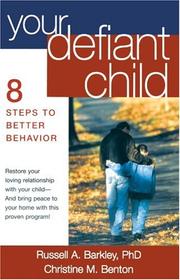
Eight Steps to Better Behavior
Russell A. Barkley, Christine M. Benton · 2013
This is Russell Barkley's eight-step program for parents of defiant kids, ages 5 to 12, built to break the daily cycle of conflict and get lasting changes in behavior. It is a behavior-training book, not an ADHD explainer. If every morning is a fight and the usual advice has failed, it gives you a structured plan to follow.
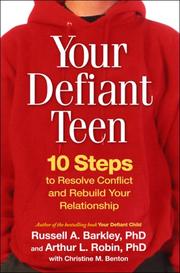
10 Steps to Resolve Conflict and Rebuild Your Relationship
Russell A. Barkley, Arthur L. Robin, Christine M. Benton · 2013
The teen-years companion to Your Defiant Child. Barkley and Arthur Robin lay out a ten-step program, drawn from clinical work with families, for easing the conflict and rebuilding the relationship with a defiant teen. It is a behavior and communication book, not an ADHD explainer. For parents who are tired of the same fight and want a plan.
Cover images from Open Library and Google Books.
There's a lot of ADHD and autism content out there, and plenty of it is wrong. These are the podcasts, channels, and sites I'd send a client to, with who's behind each one so you know where the information is coming from.
Shane's pick
Laura Key · Understood VP of content strategy; has ADHD
People describing the moment they realized it was them, or their kid. Stories, not instruction.
Each episode is one person describing the moment they realized they, or their kid, had ADHD. Laura Key hosts, has ADHD herself, and lets guests tell it their way. It's stories, not instruction. If you're late-diagnosed, newly diagnosed, or still sitting with the question, hearing other people's version of your own moment does something a symptom list doesn't.
Shane's pick
Brendan Mahan · MEd, MS; former teacher; author of Overcoming the Wall of Awful
Brendan Mahan on shame and getting started. If you've run out of patience with yourself, start here.
Brendan Mahan built the Wall of Awful model, which explains why starting a task can feel physically impossible, and I do contract work with him. His show covers ADHD, anxiety, and autism with expert guests, and it keeps coming back to shame and getting started. Releases are irregular. If you've run out of patience with yourself, whether you're an adult, a parent, or a teacher, start here.
Shane's pick
Rotating expert presenters · Credentialed clinicians and researchers per episode
One topic an episode, taught by someone who works on exactly that.
This is ADDitude's expert webinar series as a podcast, and every episode brings in a new speaker who is an expert in their field. One topic an episode, taught by somebody who works on that exact thing. Medication decisions. Emotional regulation. Parenting. How ADHD actually works. The slides are posted with each one. The audio quality depends on the webinar. Go anyway. An hour with the person who studies the thing beats a month of summaries.
Shane's pick
Megan Anna Neff; Patrick Casale · Therapists; both AuDHD
Megan Anna Neff and Patrick Casale are two AuDHD therapists, and they talk about autistic and ADHD adult life from inside it and from the clinical side at once. Burnout, masking and unmasking, and what AuDHD is when it isn't two diagnoses stapled together. The show may not return, so treat it as an archive. For AuDHD and autistic adults, and the clinicians who work with them.
Shane's pick
William Curb · Has ADHD; credentials not stated
Short, practical episodes you can actually finish.
William Curb keeps his episodes short and aimed at one thing at a time: getting started, time, habits, focus. He has ADHD and tests the techniques on himself, and brings in clinicians now and then to check the reasoning. His credentials aren't stated. For adults who want something they can try this week without sitting through an hour of backstory.
Shane's pick
Marc Almodovar; Shane Thrapp · Coach and speaker; ADHD life coach
Marc and I host this one for the Men's ADHD Support Group, the nonprofit where I run operations. We talk with men about what ADHD does to a marriage, a temper, and a sense of who you are, and we bring in expert guests on the same topics our support calls keep circling back to. It's for men who have never heard another man say any of this out loud. Episodes are irregular.
Shane's pick
Cate Osborn · Certified sex educator and ADHD advocate
ADHD and relationships from someone living it, with zero shame and a lot of humor.
Cate Osborn is a certified sex educator with ADHD, and her show is about what ADHD does inside a relationship: communication, intimacy, sex, and the arguments that repeat. She says the parts most ADHD content skips. She's a creator, not a clinician. For couples where one or both partners have ADHD, and single adults trying to work out why dating keeps going the same way.
Shane's pick
Caroline Maguire · MEd; author and social skills coach
The friendship person. Social skills taught like skills, not character.
Caroline Maguire is a social skills coach with a master's in education, and her show is about friendship and connection for neurodivergent adults. How to read a room, keep a friendship going, say the thing you meant to say. For ADHD, autistic, and AuDHD adults who know they want people in their lives and keep losing the thread on how.
Shane's pick
Holly Blanc Moses · Licensed clinician (titles vary by source); AuDHD
For parents and teachers of Autistic and ADHD kids who want the practical school-and-home version.
Holly Blanc Moses is a licensed clinician and AuDHD herself, and her show is for the adults around autistic and ADHD kids: parents, teachers, and therapists. Behavior, school, and what it looks like when autism and ADHD show up in the same kid at the same time. Her exact license title varies across pages, and her BCBA credential may concern some autistic advocates. For the people raising and teaching those kids.
Shane's pick
Asher Collins; Dusty Chipura · ADHD coaches with lived experience
Two ADHD coaches talking about what it actually looks like at work and running a company, without the inspirational poster crap.
Asher Collins and Dusty Chipura are ADHD coaches who have ADHD, and their show covers the condition at work, in business, and in the daily routines that hold both up. They translate, which is the right word: what's happening in the brain and what to do about it at your desk. There hasn't been a new episode in over four months. For adults with ADHD running a career or a company.
Shane's pick
Laura Key; Marc Almodovar · Host and MASG founder
Laura Key sits down with Marc Almodovar, who founded the Men's ADHD Support Group where I run operations, and he tells his own story: late diagnosis and what ADHD did to his emotions before he had a word for it. If you learned early to swallow everything and are only now finding out why that never worked, you'll hear a lot of yourself.
Shane's pick
Men's ADHD Support Group panel · Panel
Our panel from the Men's ADHD Support Group gave this ADDA TADD Talk in 2023 on masculinity and masking. What men with ADHD hide to look like they have it together, what that costs, and who you are once you stop. It's one talk, for men who have been performing fine for a long time.
Tracy Otsuka · Certified ADHD coach; lawyer
Tracy Otsuka is a certified ADHD coach and a lawyer, and her show is for women with ADHD, many of them diagnosed well into adulthood. She talks about identity, shame, and what it means to find out as an adult that the thing you called a character flaw had a name. It leans hard on strengths. If you were missed as a girl because you were quiet and got good grades, you'll hear yourself in it.
Diann Wingert · MSW; former licensed psychotherapist; ADHD business coach
Diann Wingert spent years as a licensed psychotherapist before becoming an ADHD business coach, and the show is built for entrepreneurs with ADHD. Running a business, staying focused when nobody is making you, and the career questions underneath all of it. It has an explicit rating, and she sells a coaching program. Women who own a business and have ADHD will find it aimed squarely at them.
CHADD National Resource Center · Expert guests such as Mary Solanto, PhD
Drier than the others, and the person talking is usually the one behind the research.
CHADD is the national ADHD organization, and this is their podcast. Interviews with researchers and clinicians, people like Mary Solanto, on how ADHD works, school, and how to think through medication. It's drier than the ADDitude one. It's also the one where the person talking is usually the person behind the research. That's why I send people to it.
Mattia Maurée · AuDHD coach
Mattia Maurée is an AuDHD coach, and the show is about adult AuDHD life with the research and the lived experience side by side. Burnout, identity, and how autism and ADHD pull against each other inside the same person. For AuDHD adults who have found plenty on autism and plenty on ADHD and almost nothing on having both.
Gaz and Andy · Two dads of autistic kids
Two UK dads talking straight. Blunt company more than expert instruction.
Gaz and Andy are two UK dads of autistic kids, and the show is the two of them talking straight about raising them. Behavior, family life, and school, including the British system and how to deal with it. It's explicit, and it's UK-specific: EHCPs, SEND, the NHS. For fathers who want blunt company more than expert instruction.
Peter Shankman · Entrepreneur and author; no clinical credentials
Interviews with people who built careers on ADHD instead of around it. The gift framing is strong, so weigh it.
Peter Shankman is an entrepreneur and author with ADHD, and his interviews treat the condition as something you can build a career on, not around. The guests lean toward business, with psychiatrists in the mix. The gift framing is strong, and he has no clinical credentials. For working adults with ADHD who want to hear from people who made it work in a boardroom instead of a clinic.
Debbie Reber · Author; no clinical credentials
Debbie Reber has interviewed more than 500 experts for parents of neurodivergent and twice-exceptional kids. Behavior, school, demand avoidance, the kid who is gifted and struggling at the same time. She's an author with no clinical credentials, and some guests fall outside mainstream evidence, so judge by episode. For parents who have read everything and still feel like nobody is describing their kid.
Kristen Carder · Certified coach; not a medical professional
Kristen Carder is a certified coach, not a medical professional, and her weekly episodes run like a coaching session on one topic: emotional regulation, work, marriage, and the shame that sits under all three. She promotes her paid program. For adults who want to hear a coach work through a problem the way it comes up in real life, not hand over a list of tips.
Emily Kircher-Morris · Licensed professional counselor; ADHD and autistic
Emily Kircher-Morris is a licensed professional counselor who is ADHD and autistic, and her show covers neurodivergent and twice-exceptional kids and adults for families, educators, and clinicians. Gifted and struggling at once, school, and who you are when the labels stack up. For parents and teachers of 2e kids, and the adults who used to be those kids.
Nikki Kinzer; Pete Wright · ADHD coach (credential per secondary source)
Nikki Kinzer and Pete Wright keep their show on everyday life: habits, time, keeping your space from swallowing you, getting work done. Nothing exotic, and that's the point. For adults with ADHD who are tired of the big picture and want help with the ordinary week.
Ryan Wexelblatt; Mike McLeod · LCSW, ADHD-CCSP; SLP
Ryan Wexelblatt is a clinical social worker certified in ADHD, and Mike McLeod is a speech-language pathologist. Together they give parents of kids and teens with ADHD strategies on behavior, executive function, and how to think about medication, in enough detail to go home and run it. Some directories list it as The ADHD Guys Podcast. For parents, and especially dads, who want practical instruction from clinicians instead of reassurance.
Rob Gorski · Father of three autistic sons; no professional credentials
Autism parenting from a father of three autistic sons who doesn't pretend it's easy.
Rob Gorski is raising three autistic sons, and his podcast is autism parenting from the dad's chair, with clinicians and autistic adults as guests. Behavior, family dynamics, and the day-to-day of a household built around autism. He has no professional credentials. For dads of autistic kids who want to hear another father talk about it without pretending it's easy.
Shane Thrapp; Braden Young · Certified ADHD life coaches
Braden and I, two coach dads with ADHD, on the mental load, the marriage, and the kids.
Braden Young and I are both certified ADHD coaches, and both dads with ADHD. We sit down and talk about fatherhood with this brain. The mental load. The marriage. The kids. What changes when a diagnosis lands in the middle of all of it. If you're the dad in your house who keeps dropping the ball, you're not the only one. There are two of us on the recording doing it too.
Patrick Casale · Therapist; AuDHD
Patrick Casale is an AuDHD therapist who runs his own business, and this show is for other neurodivergent people doing the same. The two main subjects are running a company when your brain doesn't do routine, and burnout. For entrepreneurs who are autistic, ADHD, or both.
Monique Mitchelson; Michelle Livock · Clinical psychologist; clinical neuropsychologist
Monique Mitchelson is a clinical psychologist and Michelle Livock is a clinical neuropsychologist, both in Australia, and across seven seasons they cover autism and ADHD in women. Masking, late diagnosis, and what AuDHD looks like when it was missed for decades because the person was a girl. The show ended in June 2025 and no new season has been announced. For women who are autistic, ADHD, or both, and got overlooked for most of their lives.
Barry Prizant; Dave Finch · PhD, CCC-SLP; autistic author
Barry Prizant is a speech-language pathologist with a PhD and Dave Finch is an autistic author, and their show puts autistic voices at the center of every conversation about autism. Understanding autism, communication, and identity come up most. For parents and clinicians who want to hear autistic people describe autism, and for autistic adults who are tired of being described.
Katy Weber · Diagnosed at 45; offers coaching
Katy Weber was diagnosed at 45, and every episode is an interview with another woman who found out as an adult. The conversations cover late diagnosis, the identity shift that follows, and hormones and menopause, a piece of ADHD most shows never touch. She sells coaching. If you suspect, or just learned, that this explains the last few decades, start here.
Carey Heller, PsyD · Psychologist
Carey Heller is a psychologist, and in this CHADD episode he takes on fathering when the father is the one with ADHD. Behavior, family dynamics, and what it's like to run a household when your own executive function is part of the problem. For dads with ADHD raising kids, with or without ADHD of their own.
Shane's pick
ADDitude · Consumer health publication with a medical advisory panel
The biggest library out there. Look at who wrote each piece, and trace the big claims back to the source.
ADDitude posts replays of its expert webinars here, to about 106,000 subscribers. Clinicians and researchers on how ADHD works, medication, and parenting, one topic per video. Quality varies by guest. For adults, parents, and professionals who would rather watch an hour with the slides on screen than listen to the audio.
Shane's pick
Edward M. Hallowell, MD · Psychiatrist; author of Driven to Distraction and ADHD 2.0
The author of Driven to Distraction talking it through. The framing leans hard on strengths.
Edward Hallowell is a psychiatrist and wrote Driven to Distraction and ADHD 2.0, two of the best-known books on the subject. His channel is his commentary on ADHD and mental health: how it works, identity, parenting. The framing leans hard on strengths. For adults and parents who read the books and want to hear the author talk it through.
Shane's pick
Jessica McCabe · Not a trained professional (per her site); research staff and consultant listed
The channel a lot of adults watched right before they said "Oh. Wait, that's me."
Jessica McCabe has close to two million subscribers, and she got there by sourcing her explainers from research and having staff check the work. How ADHD works, focus, getting started, emotional regulation, and what to do the week after a diagnosis. Her site says she's not a trained professional. If you just got diagnosed, or you're a teenager, watch this before you read anything on social media.
Shane's pick
Kojo Sarfo · Psychiatric nurse practitioner and psychotherapist; diagnosed with ADHD
A psychiatric nurse practitioner who makes adult ADHD and medication make sense in a couple of minutes.
Kojo Sarfo is a psychiatric nurse practitioner and psychotherapist who was diagnosed with ADHD himself. His channel, about 336,000 subscribers, covers adult ADHD and the stigma around mental health, mostly in short videos. Spot-check the symptom lists, because short-form can oversimplify. For men with ADHD who have never seen a prescriber say he has it too.
Shane's pick
Ross Greene, PhD · Psychologist; creator of Collaborative & Proactive Solutions
Ross Greene's approach for kids whose behavior keeps blowing up. It isn't specific to ADHD or autism.
Ross Greene created Collaborative & Proactive Solutions, and this channel teaches it: how to work with a kid whose behavior keeps blowing up instead of trying to punish it out of him. Meltdowns, explosive behavior, and school. It isn't specific to ADHD or autism. For parents and teachers of a kid who has already failed every sticker chart in the house.
Shane's pick
Men's ADHD Support Group (nonprofit) · 501(c)(3) nonprofit
Mine. A place for men to talk about this out loud, which most of us were never allowed to do.
The Men's ADHD Support Group is the nonprofit I run operations for, and this is our video channel. Men with ADHD talking about identity, emotional regulation, and what ADHD actually is, in front of a camera instead of inside a closed support call. For men who want to see faces like theirs saying this out loud.
Shane's pick
Megan Anna Neff, PsyD · AuDHD clinical psychologist
The best visual explanations of Autistic and AuDHD experience I've found, and the burnout workbook I hand clients.
Megan Anna Neff is an AuDHD clinical psychologist, and this channel is her on autistic, ADHD, and AuDHD adult life. Burnout, masking, and what AuDHD is as its own thing, not two labels. For AuDHD and autistic adults, late-diagnosed adults, and the clinicians who see them and want a psychologist's framing from inside the experience.
Shane's pick
Seth Perler · Executive function coach; credentials not stated
Executive function for students, especially the gifted kid who's failing anyway.
Seth Perler is an executive function coach, and his channel is aimed at the adults around a struggling student: parents, teachers, other coaches. Executive function, school, and the gifted kid who can't get the homework turned in. He sells courses and a coach certification. For anyone watching a smart kid fail school and running out of explanations that aren't laziness.
Shane's pick
Understood.org · Nonprofit with expert reviewers
Free, plain-language, and trustworthy for parents and adults alike.
Understood.org is a nonprofit with expert reviewers behind its content, and its channel covers ADHD, dyslexia, and learning differences in short videos. How ADHD works, what happens at school, what a learning difference looks like from the inside. For parents and teachers trying to figure out a kid, and adults with ADHD who want the basics done right.
Shane's pick
Russell A. Barkley · PhD; retired professor of psychiatry
The science backbone. If you want to know why willpower isn't the problem, start here.
Russell Barkley is one of the most cited ADHD researchers there is, and this is where he lectures now, at length, on the science. His YouTube channel was hacked and taken down, so the lectures are hosted free on his Substack. Executive function, medication, health risks, and what ADHD actually is underneath the symptom list. It's dense. Some of his positions, like the life-expectancy estimates, are debated, so take them as his views. For clinicians, coaches, parents, and adults willing to sit through the material to get the primary source.
Melissa Orlov · Author of The ADHD Effect on Marriage; speaker on ADHD in relationships
Melissa Orlov on the parent-child pattern in ADHD marriages and what a couple can do about it.
Melissa Orlov wrote The ADHD Effect on Marriage, and this is her channel. She talks about the parent-child pattern that sets in when one partner ends up managing the other, and what a couple can do about it. She also runs a couples seminar and support groups, so the videos point somewhere. If you've had the same fight for years, start here.
Steve August · ADHD coach and founder (per his show)
A coach and founder on productivity shame and running a company on this brain. He sells coaching alongside it.
Steve August is an ADHD coach and founder, and this channel is for late-diagnosed people running businesses. Productivity shame, emotional regulation, keeping a company going when your brain won't cooperate. Some episodes are solo, some are interviews. He sells coaching alongside it, so know that going in.
Stacey Machelle · Not a clinician or coach (self-described)
Stacey Machelle is a Black woman with ADHD, and her channel is her own experience of it, told as herself, not as a clinician or coach. Identity, and how race and ADHD land on top of each other in ways most ADHD content never mentions. For Black adults with ADHD, and women, who haven't seen themselves in the usual channels.
Autistic woman advocate (UK) · Lived experience
Agony Autie is an autistic woman's channel from the UK, made for autistic women and for the parents and professionals around them. Understanding autism and identity are the center of it, told first person. It's small and less active now. For autistic women who want to hear from another autistic woman, not about one.
Paul Micallef · Autistic life coach and trainer; diagnosed at 30
Paul Micallef is an autistic life coach and trainer, diagnosed at 30, and his channel, about 417,000 subscribers, is explainers for autistic adults and the people who suspect they might be. How autism works, late diagnosis, and friendships. Uploads have slowed. For men who have been wondering about themselves for years and haven't said it to anyone yet.
Child Mind Institute · Nonprofit clinical organization
Child Mind Institute is a nonprofit clinical organization, and its channel is built for parents: ADHD, autism, anxiety, and the rest of youth mental health, explained by the people who treat it. For parents and teachers who want a clinical answer about what's going on with a kid, without the clinical bill.
Ryan Wexelblatt · LCSW, ADHD-CCSP
Ryan Wexelblatt is a clinical social worker certified in ADHD, and this channel is parent training: what to do with a kid who has ADHD, in enough detail to go do it. Behavior, executive function, and friendships, with a long history of focusing on boys. It isn't the unrelated @TheADHDDude. For parents, dads in particular, who want instruction instead of sympathy.
Dani Donovan · ADHD comic artist; no clinical credentials listed on her site
Dani Donovan is an ADHD comic artist, and this is her channel. She is the person behind The Anti-Planner and the ADHD comics that spread across social media. Her approach is lived experience, not clinical training, and her site lists no credentials. If her comics already sound like your head, the channel is where she talks it through.
Tracey Marks, MD · Board-certified psychiatrist
Tracey Marks is a board-certified psychiatrist with a general adult mental health channel of about 2.4 million subscribers, and an ADHD playlist inside it. ADHD is one topic among many. She covers how ADHD works, anxiety, and medication decisions, from someone who prescribes. For adults with ADHD who want the psychiatry explained plainly, especially where ADHD and anxiety tangle together.
Gina Pera · Author of Is It You, Me, or Adult A.D.D.?
Gina Pera wrote Is It You, Me, or Adult A.D.D.?, and her channel has a nine-part series on adult ADHD and intimate relationships. It's long-form, so it's for the couple who wants to sit down and work through it together. Watch it with your partner, not instead of talking to them.
Alok Kanojia, MD (Dr. K) · Psychiatrist
Alok Kanojia is a psychiatrist, known as Dr. K, with about 3.5 million subscribers, most of them young men and gamers. ADHD is one subject among many, alongside motivation and mental health: why you can't start, why you blow up, what's going on underneath. Some of it draws on meditation frameworks. For young men and dads with ADHD who would never watch an ADHD channel but will watch this one.
Meg · Late-diagnosed autistic and ADHD
Meg is late-diagnosed autistic and ADHD, in the UK, and her channel is the practical part of the weeks after a diagnosis: now what. She's open about working it out alongside her viewers, about 284,000 of them. She isn't a professional. For newly and late-diagnosed autistic and AuDHD adults who have the label and no instructions.
Orion Kelly · Autistic advocate; credentials not verified
Orion Kelly is an autistic man in Australia, and his channel, about 227,000 subscribers, is support and validation for autistic people and the families around them. Identity, and what autism is from the inside. He isn't a clinician. For autistic adults, autistic dads, and parents of autistic kids who want to hear an autistic man say it plainly.
Ella · Autistic and ADHD coach; founder of Purple Perspectives
Ella is an autistic and ADHD coach in the UK who founded Purple Perspectives, and her channel, about 98,000 subscribers, explains autistic and ADHD life from inside it. Sensory processing, identity, and what AuDHD is. She's a coach, not a clinician. For autistic and AuDHD adults, women especially, who want the sensory side taken seriously.
Rick Green · Producer of the documentary ADD and Loving It?!
Rick Green produced the documentary ADD and Loving It?!, and his channel mixes humor with expert interviews for adults who were diagnosed late. Late diagnosis, identity, and what it means to laugh at the thing that cost you decades. For adults, men especially, who found out late and need the funny version alongside the clinical one.
Sasha Hamdani, MD · Board-certified psychiatrist
Sasha Hamdani is a board-certified psychiatrist, and most of her ADHD content is short-form: one concept, a couple of minutes. Rejection sensitivity, medication, how ADHD works. She promotes her own app and books. For adults with ADHD, women in particular, who want a prescriber's take in the format they already scroll through every day.
Samantha Stein · Psychology background; autistic, self-describes as AuDHD; author
Samantha Stein has a psychology background, is autistic and AuDHD, and makes careful explainers for adults who were diagnosed late, to about 209,000 subscribers. Late diagnosis, how autism works, and masking. Uploads have slowed. For autistic and AuDHD adults who just found out and want someone who slows down and gets it right.
Russell A. Barkley · PhD; retired professor of psychiatry
Russell Barkley walks through ADHD medication in five parts: how the drugs work, the stimulants, nonstimulants like atomoxetine, alpha-2 agonists like guanfacine, and the issues in choosing the starting medication. About 88 minutes in total, free on his Substack. It is a lecture, not a pamphlet, so it is dense. If you are deciding whether to try medication, or helping someone who is, it is the researcher laying out the options.
Russell A. Barkley · PhD; retired professor of psychiatry
Russell Barkley lays out the health risks that come with ADHD in four parts: injury risks, medical risks, earlier mortality, and what it all means for managing it. About 76 minutes in total, free on his Substack. It is a lecture, so it is dense, and his life-expectancy estimates are debated, so take them as his views. For adults, clinicians, and coaches who want the research behind why treating ADHD matters.
Russell A. Barkley · PhD; retired professor of psychiatry
Russell Barkley covers how ADHD is treated in children and teens in three parts: an introduction, medications, and psychosocial treatments. About an hour and 39 minutes in total, free on his Substack. It is a lecture, so it is dense. For parents who want the whole treatment picture from the researcher before they decide anything, and for clinicians and coaches who work with families.
Shane's pick
ADDitude (WebMD LLC) · Consumer health publication with a medical advisory panel
The biggest library out there. Look at who wrote each piece, and trace the big claims back to the source.
ADDitude is the biggest consumer ADHD publication there is, with a medical advisory panel behind it. It runs sections for adults, women, parents, and professionals, plus expert webinars on medication, parenting, and organizing your space. It's heavy on advertising, some supplement listicles aren't labeled as sponsored, and the reader surveys aren't prevalence data. Look at who wrote each piece.
Shane's pick
Melissa Orlov · Author; couples seminars
Names the pattern that wrecks so many ADHD marriages: one partner's symptoms, the other's response, and the response to the response.
Melissa Orlov is an author who runs couples seminars on ADHD in marriage, and her site is the best-known resource built specifically for couples where one or both partners have ADHD. The forum is the heart of it: partners comparing notes on communication, resentment, and the chore wars with people in the same situation. The blog has slowed, and paid courses get heavy promotion.
Shane's pick
Cynthia Hammer · MSW; diagnosed with inattentive ADHD at 49
Inattentive ADHD is the type that gets missed, especially in girls and women. Nobody pushes harder to change that.
Cynthia Hammer was diagnosed with inattentive ADHD at 49, and this is the nonprofit she founded to push for earlier recognition of it, starting with girls, who are missed most often. It argues for screening every child before the end of second grade and screening the family members of diagnosed kids. The site has plain explainers on inattentive ADHD in children, adults, and girls and women, plus handouts, videos, a podcast, a newsletter, and FINDtheADHDgirls.org for parents. The questionnaires screen, they don't diagnose.
Shane's pick
Ross Greene, PhD · Nonprofit; creator of Collaborative & Proactive Solutions
Ross Greene built Collaborative & Proactive Solutions, and Lives in the Balance is the nonprofit that gives its materials away free to parents and educators. The approach is for kids who melt down, explode, or dig in, and it starts from the idea that kids do well if they can. It isn't specific to ADHD or autism. If your child's behavior has been labeled defiant and punishment is making it worse, read this first.
Shane's pick
Men's ADHD Support Group · 501(c)(3) nonprofit
I write for this blog and serve as Operations Director of the nonprofit behind it. The Men's ADHD Support Group is one of the few resources built specifically for men and dads with ADHD, and the posts come from coaches and from members writing about their own lives: identity, friendships, fatherhood, and the stuff men don't usually say out loud. Posting is irregular.
Shane's pick
Megan Anna Neff, PsyD · AuDHD clinical psychologist
The best visual explanations of Autistic and AuDHD experience I've found, and the burnout workbook I hand clients.
Megan Anna Neff is a clinical psychologist who is herself AuDHD, and Neurodivergent Insights is her blog and set of visual guides on autistic, ADHD, and AuDHD adult life. She covers burnout, masking and unmasking, workplace accommodations, and how the two conditions overlap and pull against each other. She sells workbooks and trainings. If you suspect you're both, it explains what that feels like from the inside.
Shane's pick
Russell A. Barkley · PhD; retired professor of psychiatry
The science backbone. If you want to know why willpower isn't the problem, start here.
Russell Barkley is one of the most cited ADHD researchers alive, and his site holds his fact sheets on ADHD and executive function, rating scales, his books, and links to his free lectures on Substack. It is dense and science-first, written for clinicians, coaches, and parents who want the research and not a summary of it. His sluggish cognitive tempo material is a contested position.
Shane's pick
Kyrus Keenan "Ky" Westcott · Lived experience; diagnosed with ADHD at 34
Funny, honest, and one of the few voices talking about ADHD and how Black men get misread.
Ky Westcott was diagnosed with ADHD in his mid-30s and talks about adult ADHD, anxiety, and introversion with humor and his own stories, in a podcast, a blog, and a newsletter. He also writes for ADDitude. The site runs live body-doubling sessions and sells his ADHD guidebooks. It's lived experience, not clinical guidance.
Shane's pick
Understood · Nonprofit; expert-reviewed
Free, plain-language, and trustworthy for parents and adults alike.
Understood is a nonprofit covering ADHD and learning differences, with every article reviewed by experts before it goes up. It splits cleanly between parents, educators, and adults, so a teacher looking at a 504 plan and a woman diagnosed at 40 both find pages written for them. Go there for school and workplace accommodations. The articles show no dates.
Shane's pick
William W. Dodson, MD · Board-certified adult psychiatrist; Life Fellow, American Psychiatric Association
The psychiatrist who put rejection sensitivity on the map. Clear on medication too.
William Dodson is a board-certified adult psychiatrist who has specialized in adult ADHD for about 25 years and now mostly writes, speaks, and consults from Denver. His ADDitude page collects more than 120 articles and 17 webinars on medication and stimulant dosing, emotional dysregulation, rejection sensitive dysphoria, and what the DSM misses about ADHD. He has no standalone site, and the articles live on ADDitude, which carries advertising.
Association for Autism and Neurodiversity · Neurodiversity-affirming service organization
AANE, the Association for Autism and Neurodiversity, is a neurodiversity-affirming service organization with a strong adult focus, which is still rare in autism. It has material and programs for autistic adults, couples where one partner is autistic, people over 50, and adults diagnosed late in life, plus resources for parents and clinicians. It sells coaching and programs, and some are New England-based. If the autism content you keep finding is all about children, this is the correction.
AASPIRE (hosted by Organization for Autism Research) · Participatory research partnership
AASPIRE is a participatory research partnership, meaning autistic adults helped build it, and the Healthcare Toolkit came out of that work. It gives you worksheets and a personal accommodations report you fill in and bring to your doctor, laying out how you communicate and what you need in an appointment. I couldn't confirm how the personal report is handled for privacy. If medical visits go badly and you can't explain why in the moment, this does the explaining ahead of time.
Attention Deficit Disorder Association · Adult ADHD organization
Adults only. The Attention Deficit Disorder Association is the ADHD organization built for grown-ups, not for kids and the parents of kids, which is still rare. You get practical articles on work and careers, peer support, and a route to finding a coach. The articles are credited to an editorial team without a named clinical reviewer. For someone who got diagnosed after the school years were over.
ADHD Evidence Project · Hosts the International Consensus Statement on ADHD
The ADHD Evidence Project hosts the International Consensus Statement on ADHD and posts plain-language summaries of new research as it comes out. When someone tells you ADHD is overdiagnosed, or that medication is a scam, this is where the actual evidence lives, written so you can read it without a graduate degree. The posts are unsigned and the operator isn't formally named.
ADHD Foundation · UK neurodiversity charity
ADHD Foundation is a UK neurodiversity charity with a library of downloadable guides, one set each for families, schools, adults, and employers. They're the kind you can print and hand to a teacher or a manager who has never thought about ADHD. UK readers get local context, and everyone else gets well-built handouts. The news section is thin and many of the resources are older.
Jaclyn Paul · Author of Order from Chaos
Jaclyn Paul, author of Order from Chaos, writes about adult ADHD at home: the kitchen, the marriage, the clutter, the systems that hold and the ones that fall apart. It's lived-experience writing, careful and specific, from a woman running a household with an ADHD brain. The site may be inactive. Adults with ADHD, women in particular, tend to see themselves in it.
Gina Pera · Author and educator; co-author of a couples therapy text
Gina Pera has been writing about adult ADHD and its effect on partners for a long time, and she co-authored a couples therapy text on it. Her blog is unusually literate about medication, how it works, and why treatment matters inside a relationship. She's opinionated, the framing centers the partner, and there are affiliate links. If you're the partner of an adult with ADHD, she takes your side of the room seriously.
ADHD UK · Charity run by people with ADHD
ADHD UK is a charity run by people with ADHD, and it does adult advocacy in the United Kingdom, with a particular focus on medication shortages and getting assessed and treated through the NHS. If you're a UK adult stuck on a waiting list or unable to fill a prescription, this is the organization tracking the problem and telling you what your options are.
ASAN · Nonprofit run by and for autistic people
Autistic people run the Autistic Self Advocacy Network, the leading autistic-run policy organization, and everything it publishes comes in plain language on purpose. The material covers self-advocacy, rights, and identity for autistic adults, with resources parents and clinicians can use to understand what autistic people are actually asking for. It's advocacy, not clinical education.
Autistica · UK autism research charity
Autistica is a UK autism research charity that translates what the research finds into language autistic people, families, and employers can use. The site covers autism basics, anxiety, which shows up alongside autism constantly, and workplace accommodations. It's UK-centric. For an employer trying to get this right, or an autistic adult trying to understand their own anxiety.
Rene Brooks · Adult-diagnosed with ADHD
Rene Brooks was diagnosed with ADHD as an adult and built Black Girl, Lost Keys to write about ADHD as a Black woman, because almost nobody else was. The site covers race, identity, and self-acceptance alongside the everyday ADHD material, from a perspective most ADHD content leaves out entirely. It's been inactive since early 2024. If you're a Black woman with ADHD and you've never seen yourself in this stuff, start here.
Centre for ADHD Awareness, Canada · National ADHD charity
CADDAC is the Centre for ADHD Awareness, Canada, the national ADHD charity for the public and the patient-side counterpart to the clinical guidelines. It carries a resource map for finding support across Canada, webinars, and plain explanations of ADHD for adults and parents. For a Canadian trying to find a clinic, a coach, or a group near them, start there.
Canadian ADHD Resource Alliance · Professional association; Canadian ADHD practice guidelines
Canada's clinicians work from the CADDRA guidelines, and this site is where those guidelines and the step-by-step practice guide live. It's written for doctors, psychologists, and coaches who assess and treat ADHD, covering diagnosis and medication in the detail a professional needs. Pair it with CADDAC for the public side.
Centers for Disease Control and Prevention · US federal agency
CDC's ADHD pages are built mostly for parents of children: what ADHD is, how it's diagnosed in kids, what the treatment guidelines say, and the national data on how many kids have it. If you need a number for a school meeting, or a plain definition to hand a grandparent who thinks ADHD is made up, this is the source to cite.
CHADD · National nonprofit; CDC-funded resource center
CHADD is the national ADHD nonprofit, and its National Resource Center on ADHD is funded by the CDC to put accurate information in front of the public. The site covers ADHD from childhood through adulthood, with a blog and toolkits on medication, school, and finding support. Start here if you want the baseline facts from a source that has to answer for them.
Child Mind Institute · Independent nonprofit; clinical care and research
Child Mind Institute runs clinical care and research for kids and publishes clinician-reviewed articles out of it. The site is good at the question parents rarely get a straight answer on: whether what you're seeing is ADHD, anxiety, autism, or more than one at once. There's little adult content. For a parent trying to figure out what to even ask the pediatrician.
Noelle Daoire (beehiiv) · ADHD coach, writing from her own ADHD (per the article)
Noelle Daoire is an ADHD coach with ADHD, and she wrote this about building her own site. Too many choices stopped her every time, so she launched one homepage and stopped there. It's published by beehiiv, a platform vendor, so the tool recommendation is theirs. The advice to start small is what's worth taking. If the site keeps stalling at the builder, read this first.
Edge Foundation · Coaching nonprofit
Edge Foundation is a coaching nonprofit, and its posts walk through ADHD coaching concepts, mostly for students and young adults: executive function, study habits, routines that survive a semester. It's practice-based, not research. For a teen or college student who wants to understand what coaching does before trying it, or a parent of one.
Embrace Autism · Autistic-led organization
Embrace Autism is an autistic-led organization known for plain-English explanations of the autism screening tests: what each one measures and what a score means, plus research summaries. Late-diagnosed and self-questioning adults land here first, usually at two in the morning, trying to work out whether what they suspect about themselves is real. A self-run screener is not a diagnosis. It's a good place to start the question.
Harvard · Academic medical source
Harvard's Adult Autism Health Resources is an academic medical source built for autistic adults and the clinicians who treat them. It covers health care as an autistic adult: what to expect, how to communicate what you need, and how clinicians can do better, with medical credibility behind it. It hasn't been updated recently. For an adult who has had bad experiences with doctors, it's something to bring in.
Job Accommodation Network · Funded by the US Department of Labor
Job Accommodation Network is funded by the US Department of Labor to give free, confidential guidance on workplace accommodations to employees and employers both. You can look up accommodations by condition, ADHD and autism included, and see what the law requires and how to ask for what you need. It covers US law only. If you're deciding whether to disclose at work, talk to them before you decide.
LDA · National organization since 1963
Learning disabilities travel with ADHD more often than most people realize, and the Learning Disabilities Association of America has covered dyslexia, dyscalculia, and the rest since 1963. It serves families, educators, and adults, with material on school rights and speaking up for yourself. The ADHD content is thin. When the reading or math problem doesn't fit the ADHD explanation, look here next.
National Autistic Society · UK charity since 1962
National Autistic Society has been the UK's autism charity since 1962, and its advice library is deep: sections for autistic adults, parents, professionals, and educators, down to specific situations. The just-diagnosed material is especially good, walking a new adult or a new parent through what the diagnosis does and doesn't mean. It's UK-centric, but most of it applies well outside the UK.
NeuroClastic · Volunteer-run, autistic contributors
NeuroClastic is a volunteer-run archive of essays written by autistic people about being autistic: identity, sensory life, communication, advocacy, and the parts of the experience clinical descriptions miss. It's opinion and lived experience in the writers' own words, not a textbook, and it may be dormant. For an autistic adult who wants to hear from people like them instead of about them, it's a deep well.
Neurodiversity in Business · Volunteer-led charity
Neurodiversity in Business is a volunteer-led charity producing resources and research for employers who want a neuroinclusive workplace, not a poster that says they have one. It's aimed at HR and leadership, with a corporate, UK-rooted perspective on accommodations and what inclusion involves day to day. If your job is making the business case to people above you, this is the material.
National Institute of Mental Health · US federal agency
NIMH is the federal mental health research agency, and its ADHD pages give you the government's overview of the condition, current treatment, and the clinical trials you could join. Nothing flashy. It's the reference you pull up when you want the official baseline on diagnosis and medication before you make a decision with your doctor.
National Institute of Mental Health · US federal agency
Federal autism research runs largely through the National Institute of Mental Health, and this is its public overview of what that research has found and what services exist. It frames autism as a deficit. Read it for the research summary and the service listings, in the government's own words, if you're an autistic adult or a parent who wants the agency's account.
Shannon Des Roches Rosa; Carol Greenburg · Autistic and parent editors
Shannon Des Roches Rosa and Carol Greenburg, a parent editor and an autistic editor, run Thinking Person's Guide to Autism with a stated mission of countering autism misinformation. It publishes news, analysis, and essays for autistic adults, parents, and professionals who want to know what the evidence says and what the autistic community thinks about it. It mixes advocacy essays with evidence pieces, so notice which is which. When a headline about autism sounds wrong, check it here.
Debbie Reber · Author; parenting consultancy
Debbie Reber built Tilt Parenting as a hub for parents raising differently wired kids, and the podcast is the center of it. The focus is parenting a child whose brain works differently, including twice-exceptional kids who are gifted and struggling at the same time, from a parent who has done it. The written blog looks stale. For a parent tired of advice written for a kid they don't have.
Peter Wright, Esq.; Pamela Darr Wright, MA, MSW · Special education law
Wrightslaw is where parents go to learn special education law before an IEP or 504 meeting, built by a special education attorney and a social worker. It explains your rights, the process, and how to advocate for your kid in language a non-lawyer can use. It's US only, the design is dated, and it sells books. Read it before the school tells you what is and isn't possible.
ADDA · Run by and for adults with ADHD; listed coaches and therapists are ADDA members
ADDA is the adult ADHD organization, and its directory lists ADHD coaches and therapists you can browse by state, Canadian province, or specialty. Listed professionals are ADDA members, and members can rate and comment on them. ADDA doesn't say it checks credentials, so treat a listing as a place to start. Ask about training and experience with adults before you commit.
ACO · Professional membership organization for ADHD coaches
ADHD Coaches Organization is the professional membership body for ADHD coaches, and its directory is one place to find one. The site also explains what ADHD coaching is and isn't, which matters, because most people arrive assuming it's therapy or a pep talk and it's neither. Membership isn't a credential check, and the research on coaching is modest. Adults and parents looking for a coach can start the search there.
CHADD · National ADHD nonprofit; listings are not comprehensive
CHADD is the national ADHD nonprofit, and its directory lists doctors, therapists, and other professionals who work with ADHD. You can search by state, profession, and who they serve, from children to seniors and parents of children with ADHD, and you can filter for remote services. Only people who choose to be listed show up, so it won't be a complete list. Before you book anyone, ask how many ADHD clients they see and whether they do evaluations, treatment, or both.
NeuroClastic · Volunteer-run nonprofit; entries are community-submitted and not vetted
Getting evaluated for Autism as an adult is hard, and most clinicians don't do it. NeuroClastic, a volunteer-run nonprofit, keeps a community-built list of clinicians who evaluate adults, with the most listings in the US and entries from other countries too. People submit the entries and NeuroClastic doesn't vet them, so they say to use caution. Call first and ask whether they evaluate adults, what it costs, and how long the wait is.
Neurodivergent Insights · Listed professionals are members of its learning community; not a credential check
This directory from Neurodivergent Insights lists therapists, psychiatrists, occupational therapists, coaches, and more who say they work in a neurodivergent-affirming way. The only requirement is joining their learning community, so it's a signal and not a credential check. Use the tags to filter. Therapists and psychiatrists are licensed by state, so check where they can see you. Coaches often work with people anywhere.
Professional Association of ADHD Coaches · Credentialing body for ADHD coaches
PAAC, the Professional Association of ADHD Coaches, is the credentialing body for ADHD coaching, and its directory lists coaches who have met its standards and earned its credential. The site also publishes the coaching standards themselves, so you can read what a credentialed coach is supposed to know and do before you hire one. It's a self-described credentialing body, not government licensure. For adults and parents sorting trained coaches from self-declared ones.
Psychology Today · Therapist directory; profiles are self-described
Coaching isn't therapy, and plenty of people need both. Psychology Today lets you filter therapists by ADHD, Autism, trauma, type of therapy, insurance, and whether they do telehealth. Look for someone who actually knows ADHD, Autism, and other types of neurodivergence, and who works in a trauma-informed way, because a lot of us carry years of being told we were the problem. Profiles are written by the therapists themselves, so ask them directly how many neurodivergent clients they work with. The right fit is out there.
TherapyDen · Inclusive therapist directory; profiles are self-described
TherapyDen is an inclusive, values-driven therapist directory, and you can search by location and by specialty, including ADHD and autism. It includes in-person and online therapists. Profiles are written by the therapists, and TherapyDen tells you to verify licensure and insurance yourself. Read the profile for neurodivergent-affirming language, and ask directly if it isn't there.
ADDitude Magazine · Educational screening tests; ADDitude does not diagnose
ADDitude's symptom checker has separate tests for ADHD, autism, anxiety, depression, ODD, and bipolar disorder, which helps because these overlap and get mistaken for each other all the time. ADDitude says plainly that it does not diagnose, and neither can a quiz. Use it to put words to what you've been noticing, then take the results to someone who can evaluate you.
World Health Organization and Harvard Medical School researchers · Screening questionnaire hosted on psychology-tools.com
The ASRS is an 18-question screener for adult ADHD, developed with the World Health Organization and researchers at Harvard Medical School. It covers inattention and hyperactivity-impulsivity, and clinicians use it to start the conversation. A screener can't diagnose you. What it can do is tell you whether it's worth booking a real evaluation, and give you something concrete to bring to that appointment.
Goblin Tools · AI tools; operator not named
Goblin Tools is a set of free AI tools built for neurodivergent brains. Paste in a task and it breaks it into steps, then breaks those steps down again if you need it to. It estimates how long things take, and it rewrites a message to sound more formal or softer when you can't tell how your draft reads. Inputs go to OpenAI, so don't enter health or personal details, and the time estimates can be wrong. For the adult who freezes at the start of a task, it's a way around the first wall.
Vanderbilt ADHD rating scales, hosted on psychology-tools.com · Parent and teacher rating scale for children and teens
The Vanderbilt scale is what many pediatricians hand you when you ask about ADHD. A parent fills one out and a teacher fills out another, so you see how your child does at home and at school. It covers inattention, hyperactivity, and impulsivity, plus things that often show up alongside ADHD, like oppositional behavior and anxiety. It's a screener, not a diagnosis. Bring the results to your child's doctor or evaluator.
Social media accounts
ADHD Alien
Pina Varnel · Visual development artist with ADHD
Pina Varnel draws comics about living with ADHD, and she makes them from her own life. A lot of people see one and say, "Wait, someone else does that too?" She also wrote a graphic novel, Feeling Like an ADHD Alien. It's lived experience, not clinical advice, and it's the fastest way I know to make someone feel less alone with this.
Adulting With ADHD
Rach · Writer with ADHD
Rach writes Adulting with ADHD, a Substack about holding down a job with an ADHD brain. She also started a Discord for neurodivergent working professionals, so there's a place to swap tips and vent to people who get it. It's one person's lived experience, not clinical advice. If work is the hard part, it's good company. Check the Substack for the current Discord invite, since the links expire.
Caroline Maguire
Caroline Maguire · Social skills coach and author
Caroline Maguire is a social skills coach and author of Why Will No One Play with Me? and Friendship Skills for Neurodivergent Adults. She teaches the part nobody taught us: how to start a conversation, read a room, and keep a friend without masking yourself into burnout. Her posts are practical and short. Parents and adults who feel like they missed the friendship manual will find a lot here.
InstagramWebsite