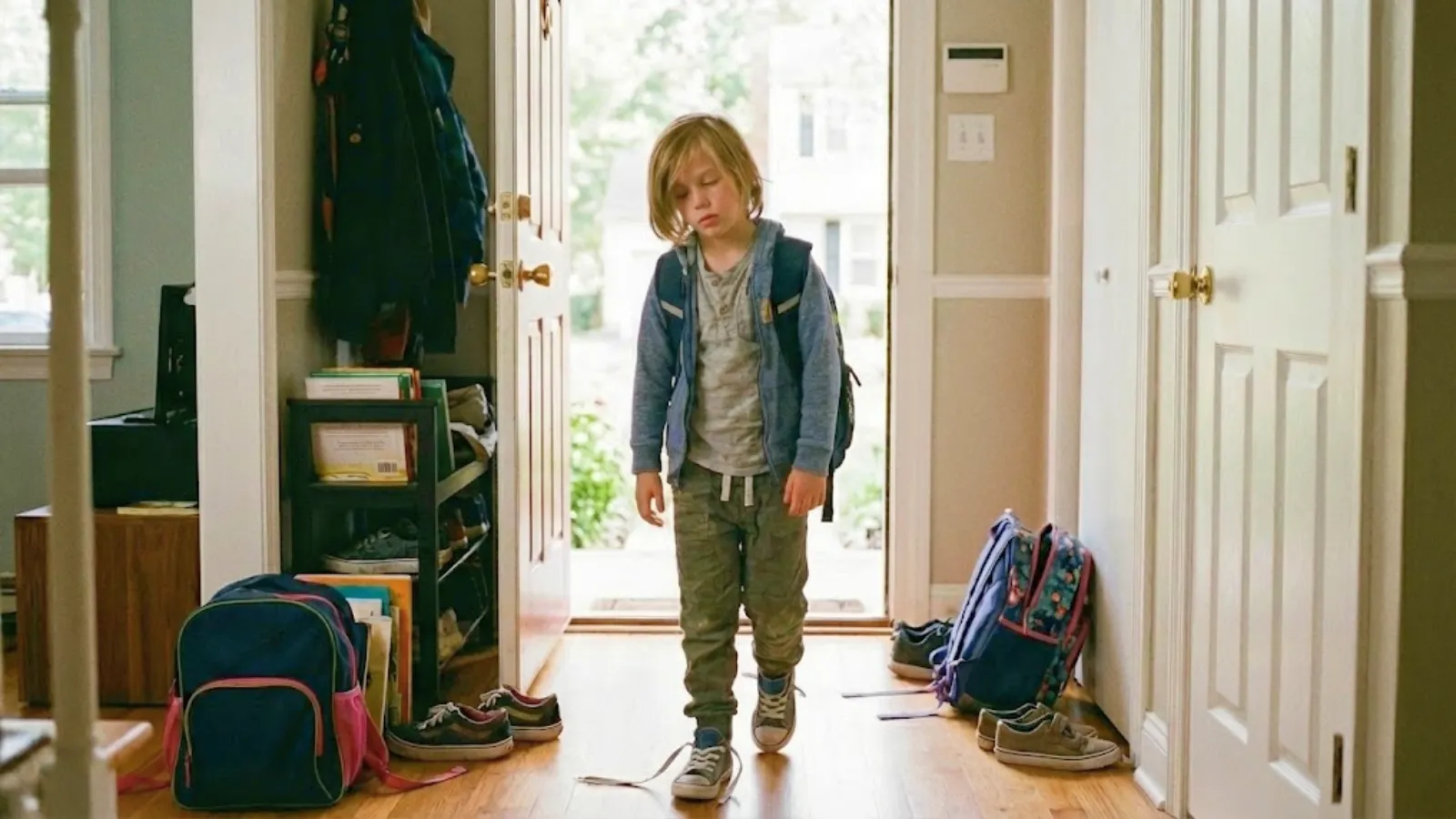
Why Does Your Child Fall Apart the Moment They Get Home From School?
Your child holds it together at school and falls apart at home. Learn why after-school restraint collapse happens and what neurodivergent kids need at the door.
Topic
Maguire's book for adults this time: scripts and strategies for making and keeping friends when you have ADHD, autism, or anxiety, and the usual advice to just put yourself out there has never once worked. It covers starting friendships and keeping them alive. For the neurodivergent adult who is lonely and tired of being told it's a confidence problem.
Jessica McCabe spent years making YouTube videos about her own ADHD and interviewing researchers along the way. This book is what she built from all of it. Focus, time, getting started, and the shame that piles up when none of those work the way you were told they should. It reads like an insider explaining it to you, plainly.
Every failed attempt at a task adds a brick of shame, fear, or guilt. Stack enough of them and starting means climbing a wall nobody else can see. That's Brendan Mahan's Wall of Awful model, now a book with Alex Hughes Capell. It covers why it happens with ADHD, autism, and anxiety, and how to get over the wall anyway. For anyone who knows exactly what needs doing and cannot touch it.
Thomas Brown is a clinician-researcher, and this book is case stories of bright teens and adults with ADHD who are stuck, and what the emotions underneath have to do with it. Intelligence doesn't protect anyone from this. If you or your kid can do it when you care and can't when you don't, start here.
Russell Barkley has spent his career researching ADHD, and this is his guide for the adult living with it. It explains how ADHD works, lays out treatment and medication choices, and then gets specific about work, home, and relationships. This is the version backed by decades of research, not one person's story. Get the 2021 second edition. His own site still lists the 2010 first.
Cate Osborn, Erik Gude, and Rennie Dyball wrote the broad adult ADHD guide from the inside: executive dysfunction, time blindness, building systems, hormones, rejection sensitivity, intimacy, and dealing with healthcare. It makes room for BIPOC, trans, and nonbinary experiences that most ADHD books skip. The authors are educators and advocates with ADHD, not clinicians. For adults with ADHD who want one book that covers the actual life and not just the attention part.
Sol Smith, a coach diagnosed with ADHD as an adult, argues that the scattered, undisciplined feeling comes from environments built for other brains, not from a lack of willpower. He covers shame, time blindness, and burnout, then the tactics: gamifying work, body doubling, strategic avoidance, and finding community. It's a strengths-framed coaching book, not a clinical text. For the newly diagnosed, the undiagnosed, and anyone tired of being told to fix themselves.
Megan Anna Neff is a neurodivergent psychologist, and this workbook is for the autistic adult who has hit the wall: the skills that used to work are gone, the masking isn't sustainable, and rest isn't fixing it. She walks you through recognizing burnout and building a recovery plan around your own life. Autistic burnout isn't a formal diagnosis and the research on it is early. For autistic and AuDHD adults who are there now.
Sol Smith was diagnosed autistic as an adult and used his years as a professor to work out how to explain the differences and build skills around them. The book covers common misconceptions about autism, imposter syndrome, the hard parts of unmasking, and how to adjust your environment instead of yourself. It's coaching and lived experience, not a clinical text. For autistic adults figuring out who they are after years of fitting in.
Tamara Rosier writes for the whole household where ADHD lives in one person or several: how emotions escalate, how conflict runs, and how repair happens after. It's practical, with the family system in view instead of one person's symptoms. It comes from a Christian imprint (Revell). For parents and couples who are tired of the same fight and want to understand what's actually driving it.
You can have a task planned out perfectly and still not start it. My friend Tamara wrote the book on that gap. Dr. Tamara Rosier is an ADHD coach and the founder of the ADHD Center of West Michigan, and her argument is that the block usually isn't the plan. It's how you feel about starting. Most ADHD books hand you a planner and a system. Tamara starts with the emotions running your focus and the shame that builds behind them, because that's the layer the planners never touch.
Sari Solden and Michelle Frank wrote this for women with ADHD, and they built it around shame and identity instead of planners. It deals with the masking, the shame sitting underneath it, and building a life that fits the brain you have instead of the one you were performing. If you were diagnosed late, a lot of it is going to sound like your own history.
Tracy Otsuka hosts the podcast of the same name, and the book carries the same stance: your brain is not the problem you were told it was. It covers identity, shame, and the specific experience of being diagnosed later in life as a woman. Strengths-first, written for women who have spent years compensating.
Emma Mahony was diagnosed with ADHD at 52, and this is her memoir and guide to what came after: getting the diagnosis, deciding about medication, and rebuilding daily life around what she finally understood. It also covers the overlap with menopause. If you were diagnosed in midlife, here is someone who did it at the same age.
Eli Lebowitz's SPACE program treats a child's anxiety or OCD by changing what the parents do, specifically by reducing the accommodations families build around the fear. It's a parent-delivered program, laid out so you can run it at home. For parents of anxious kids and teens who have reorganized the whole house around the anxiety and watched it grow anyway.
Chloé Hayden is an autistic and ADHD actor, and this is part memoir, part guide for teens and young adults figuring out who they are underneath the mask. Friendships, identity, and the exhaustion of performing normal. It's an Australian context, and it isn't Temple Grandin's similarly titled book. For the teenager who was just diagnosed, or the parent who wants to hand them something written by someone who lived it recently enough to remember.
Jenara Nerenberg is a journalist, and she went looking for why ADHD, autism, and sensory sensitivity get missed in women. The book covers late diagnosis, sensory processing, and the identity shift when the explanation finally shows up. One thing to know: it groups highly sensitive person, which is a research trait and not a diagnosis, with the clinical conditions. For women who got every label except the right one for decades.
Lotta Borg Skoglund and Helena Kopp Kallner are Swedish clinicians, and they connect the sex-hormone research to ADHD across a whole life, from puberty through post-menopause. It covers what hormones do to symptoms and to medication decisions at each stage. For women with ADHD and the clinicians treating them: the evidence in one place instead of scattered across journals.
KC Davis is a therapist, and her approach to housework is function over form: a home exists to serve you, not to be judged. It covers cleaning and organizing when you're overwhelmed by ADHD, depression, chronic illness, or plain exhaustion, and the shame that comes with a sink full of dishes. It isn't ADHD-specific.
Kelly Mahler is an occupational therapist, and this is her guide to interoception: the sense that tells you that you're hungry, tired, anxious, or about to lose it. A lot of neurodivergent kids can't read those signals, which is why emotional regulation advice fails them. The eighth-sense label is a teaching convention, not a formal category. For parents, teachers, and clinicians who want to teach the body signals before the coping skills.
Donna Henderson, Sarah Wayland, and Jamell White take the diagnostic criteria one at a time and show what each looks like in people who learned to hide it, with more than a hundred autistic adults quoted along the way. The point is the presentations clinicians were never trained to see: the masked, the verbal, the late. There's a separate companion guide for diagnosing, so don't confuse the two. If you suspect you were missed, or you're the professional doing the assessing, this is the reference.
The title is the argument. Devon Price says what gets called laziness is almost always an unseen barrier, exhaustion, or burnout, and the book makes the case across work, shame, and the overworked people who get blamed for not doing more. It's a cultural argument, not a clinical text, and it isn't specific to autism or ADHD. If you've ever called yourself lazy, or you manage someone you've called that, read it.
Amanda Diekman's approach is subtraction: drop the demands that are feeding the anxiety, restore calm, and rebuild the connection before anything else. It comes from her own house, raising her own kids. It's a practice and lived-experience approach, without controlled trials. For parents of a high-anxiety, demand-avoidant neurodivergent kid where every request turns into a fight and the usual parenting advice makes it worse.
This is the client workbook for a cognitive behavioral treatment program for adult ADHD, one that has been tested in clinical trials. Organizing, planning, getting started, and time management, taught as skills you practice between sessions. It's built to be used alongside a therapist and the companion therapist guide. It is not standalone reading.
Dr. Helen Wall is a GP, and her book is about what perimenopause and menopause do to ADHD. It covers how symptoms shift as hormones change and how to advocate for yourself with doctors who may not connect the two. It's a UK book, so the healthcare references are NHS-based. If things got harder and you want the mechanism, not a shrug, start here.
Mark Bertin is a developmental pediatrician, and this book does two things at once: it teaches mindfulness for the parent's own stress, and it covers the practical management of ADHD at home. The premise is that a depleted parent can't run the systems. For parents who know what they should be doing and are too fried to do it.
Mark Bertin and Karen Bluth write straight to the teenager, not the parent. Mindfulness and self-compassion applied to executive function, motivation, and the self-esteem that years of being told to try harder have worn down. For teens with ADHD who are sick of being managed and want a tool that's theirs.
Laura James is a working journalist who was diagnosed autistic in her mid-40s, and this memoir covers what came after. Sensory overload, the relief and grief of finally having a name for it, and what that does to the story you tell about your own life. For women diagnosed late who want company on the page, not a workbook.
Pat Harvey and Jeanine Penzo take skills from dialectical behavior therapy and hand them to parents of kids whose emotions arrive big, fast, and hard to bring down. Validation, regulation, and what to do during the outburst and after it. For parents of the kid who goes from zero to screaming and can't come back on their own.
Gabor Maté is a physician, and his argument is that early stress and attachment shape how ADHD develops. His approach to healing follows from that. He covers emotional regulation and family dynamics through that lens, for adults with ADHD and for parents. It's contested: his environmental account of where ADHD comes from conflicts with strong evidence for genetic heritability. Read it as one physician's case, with that in hand.
Kathleen Nadeau on ADHD in later life, which almost nobody writes about. It covers the anxiety and depression that often ride along, the support systems that matter as you age, and what an ADHD-friendly retirement looks like. For older adults, including those diagnosed late, who have noticed that every other book assumes the reader is thirty-five.
Russell Ramsay and Anthony Rostain are clinician-researchers, and this is their self-help version of CBT for adult ADHD. It takes on procrastination, the self-talk running underneath it, and the day-to-day coping nobody schedules a session for. You get the skills of therapy without needing someone in the room to start.
Temple Grandin walks through the neuroscience of autism and lays out her model of the different ways autistic people think. She writes from inside an autistic brain, so the science comes with a running account of what it feels like from the other side of the scanner. The neuroscience dates from 2013. Read it to understand your own sensory wiring or your kid's, from someone who lives there.
Lidia Zylowska adapted mindfulness training for adults with ADHD and laid it out as an eight-step program with guided practices. Attention, emotional regulation, and follow-through on goals, built for a brain that finds sitting still hard. If meditation apps have bounced off you, this one starts from the ADHD side of the problem.
Carol Kranowitz wrote the parent guide to sensory processing differences: the kid who can't stand tags, seams, and loud rooms, or the one who crashes into everything looking for input. It covers how to recognize it, how it shows up at home and school, and what helps. Sensory processing disorder is not a DSM-5 diagnosis, and the 3rd edition shifted to differences language. For parents and teachers watching a kid melt down over things nobody else can see.
Terry Matlen wrote this for women with ADHD, and it stays practical: the household, relationships, sensory overload, and self-care. Chores, organizing your space, and the sensory side most ADHD books skip entirely. It's for the woman whose noise, clutter, and demands all arrive at once.
William Stixrud and Ned Johnson make the case that kids need a sense of control over their own lives, and that chronic stress and anxiety grow out of not having it. They cover the science and then what to do with it, from preschool through high school. It isn't ADHD-specific. For parents of anxious, pressured kids of any wiring who want to stop managing them and start handing some control back.
Sixty activities for kids on self-regulation and focus, built to be done and not read. Kelli Miller's workbook gives a child something to practice instead of something to be told. For parents of elementary-age kids with ADHD who want a hands-on tool for the kitchen table, and for kids who learn by doing.
Sharon Heller writes for adults, not kids, who find ordinary environments unbearable: the fluorescent lights, the scratchy shirt, the restaurant everyone else calls lively. She explains what sensory defensiveness is and lays out what you can do about it. It's from 2002 and uses older OT terminology. For the autistic or ADHD adult who has spent years being told you're too sensitive.
Sasha Hamdani is a psychiatrist, and her subject is emotional sensitivity: feeling things hard, and the sting of rejection that lands harder for a lot of people with ADHD. The book includes a self-assessment and strategies for regulating what comes up. One caution: rejection sensitivity is a practice-based concept, not a formal diagnosis, and the research on it is still thin. If a mild comment from a coworker can wreck your afternoon, this is written for you.
Ayana Gibbs and Stephanie Ozuo are Black women with ADHD, and they wrote this part memoir, part guide. It covers the myths that get Black women missed, sickle cell disease, rejection sensitivity, and the barriers to getting diagnosed and treated. It isn't out yet. It's announced for February 2027, and the date may change.
Ellie Middleton was diagnosed with both ADHD and autism as an adult, and UNMASKED is her plain-language primer on what each one is, how they overlap, and what masking costs. No clinical gatekeeping and no jargon. It's written in a UK context. If you're newly diagnosed AuDHD, or a young person trying to explain yourself to people who keep saying you seem fine, hand them this one first.
Devon Price is a social psychologist writing from inside the experience, and this is the book on masking: the lifelong performance of looking normal and what it costs. It covers how masking forms, how to recognize it in yourself, the burnout it produces, and how to start taking it off. For adults who suspect or just learned they are autistic, especially the ones who were told they couldn't be because they seemed fine.
Devon Price's follow-up to Unmasking Autism moves from understanding the mask to living without it. It covers the practical skills for friendships, family, work, and romance, and the communication each one takes when you stop performing. For autistic and AuDHD adults who finished the first book and then wondered what an unmasked week actually looks like.
Sarah and Jess Hendrickx pull together the research on autistic women and girls and set it next to first-person accounts, from childhood through old age. Masking, burnout, and what menopause does to an autistic nervous system each get their own treatment. Get the 2024 second edition. For women wondering whether the diagnosis fits, the clinicians assessing them, and parents of girls who don't look like the textbook.
You called yourself those three words for years before you had a better explanation. Kate Kelly and Peggy Ramundo wrote this in 1993 for adults who did exactly that. Their argument is simple: the problem was never your character. Then it gets practical about daily life. The language is dated, same era, same ADD terminology. Read it for the part where somebody finally says the problem isn't you.
Kristen Carder is an ADHD coach, and her book is a trauma-informed look at relationships of every kind: partners, friends, kids, coworkers, and the family you grew up in. It covers rejection sensitivity, communication, and how to repair after a conflict. The title is for the adult with ADHD who still braces for a scolding every time someone says we need to talk.
Your child holds it together at school and falls apart at home. Learn why after-school restraint collapse happens and what neurodivergent kids need at the door.
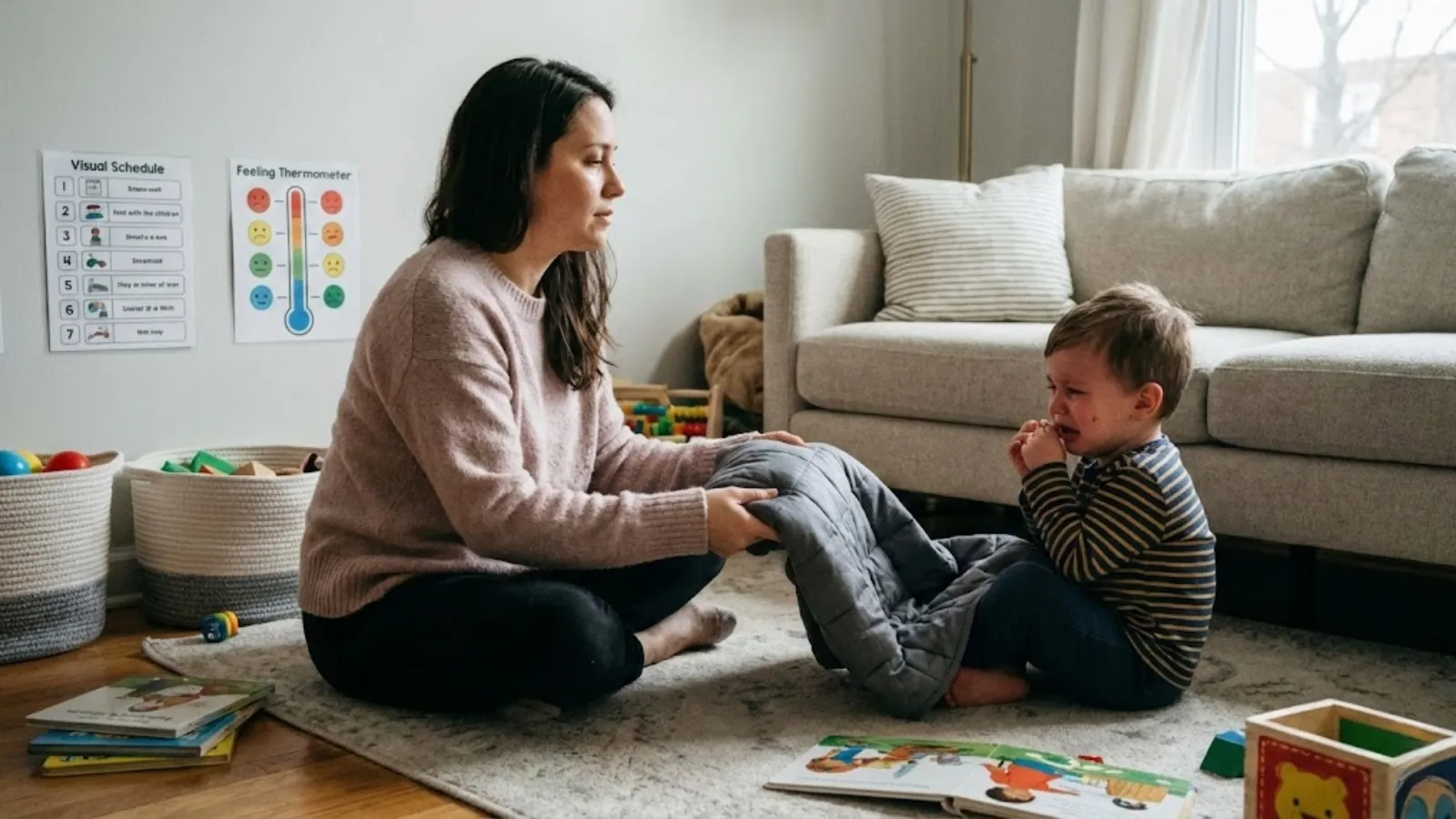
What looks like disrespect is often dysregulation or a behavioral disorder. See how ADHD, Autism, PDA, and ODD shape behavior and which parenting styles help.

Your child's meltdowns aren't behavior problems. Learn what happens in their brain during a meltdown, how co-regulation helps, and how to spot the early signs.

Why ADHD and Autistic kids have bigger emotional reactions at every age, from toddler meltdowns to teen identity struggles, and how you can help them regulate.

The negative voice behind imposter syndrome isn't yours. It was put there by others. Learn where it comes from and how adults with ADHD can quiet it for good.
Self-advocacy means telling people what you deal with and what you need. Learn how it helps at home and work, eases RSD, and why boundaries and rest matter.
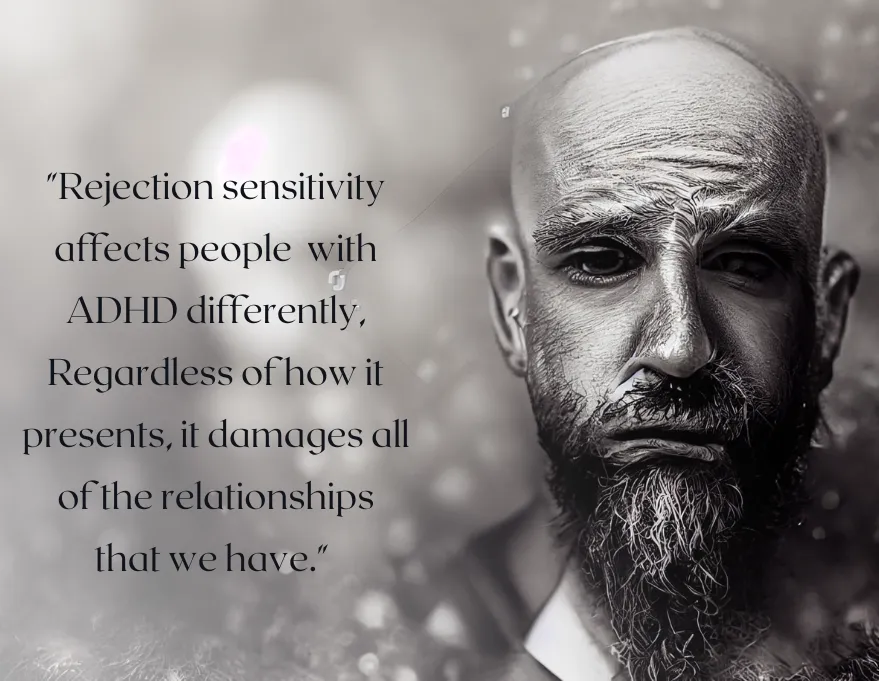
Rejection sensitive dysphoria is intense emotional pain from perceived rejection. Learn why ADHD brains react this way, how it shows up, and how to manage it.

Why adults with ADHD are prone to imposter syndrome, how it shows up at work and at home, and how therapy, coaching, and support help you fight back against it.
Why adults with ADHD struggle to keep friends, why isolation is dangerous for your health, and practical first steps to reconnect and build new friendships.
What rejection sensitive dysphoria and imposter syndrome are, how your ADHD brain lies to you, and how self-discovery and affirmations help you fight back.