
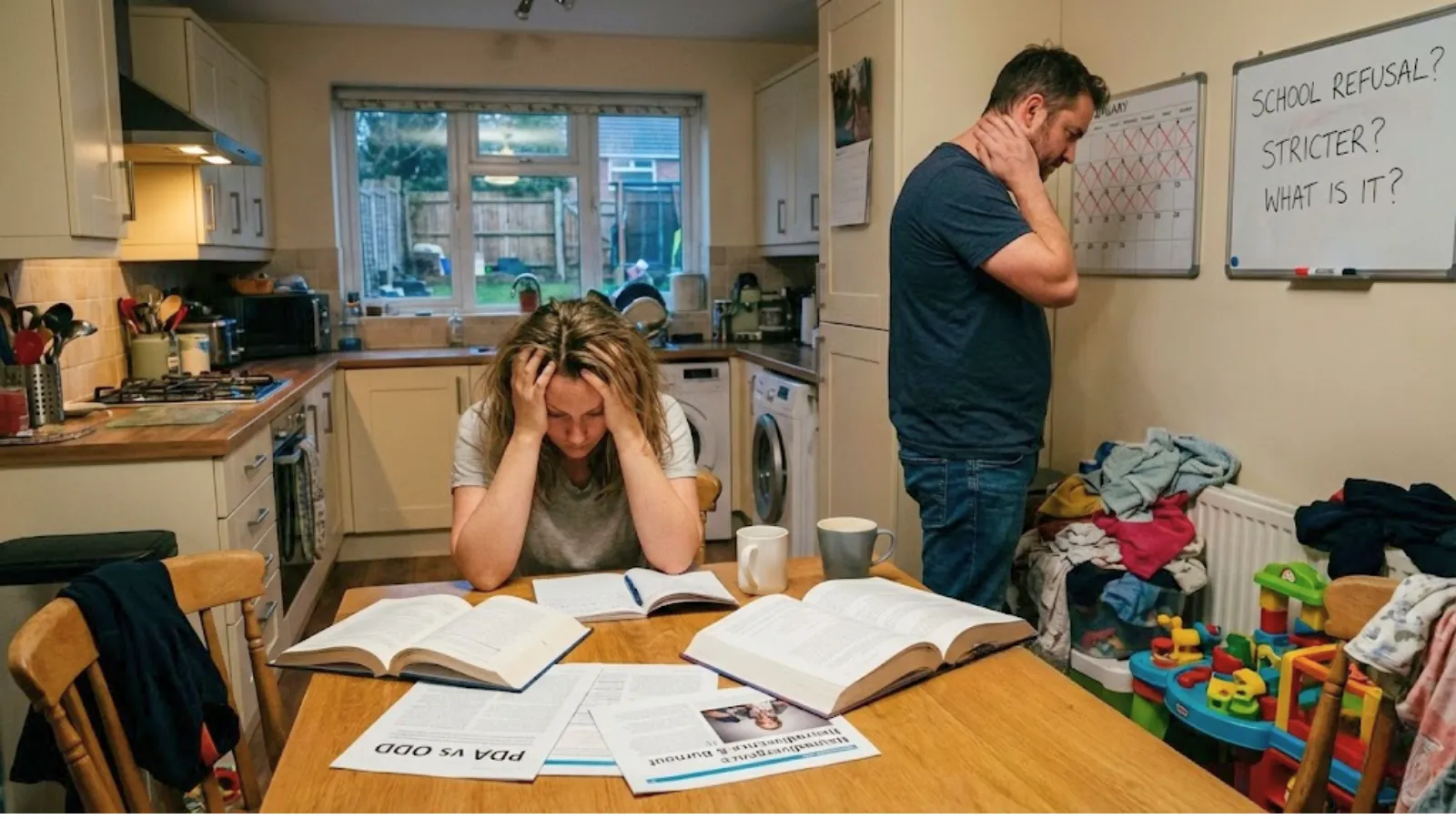
Why Is My Child Refusing Everything? Burnout, PDA, and ODD Explained
Burnout, PDA, and ODD can look alike when your child refuses everything, but each one needs a different approach. Learn how to tell them apart and what helps.
Topic
Russell Barkley boiled his research and clinical work down to twelve principles for raising a kid with ADHD, covering behavior, emotion, meltdowns, and school. It's shorter and more direct than his big parent guide. For parents who want the core of what the research says to do, from a researcher and not a guru, in a book they can finish this week.
Greene takes Collaborative and Proactive Solutions into the classroom, for the kid who keeps ending up in the office and the teachers who are running out of options. He covers why discipline systems built on rewards and punishment miss these students, and what solving problems with them looks like. For educators first, and for parents who need to walk into the school meeting speaking the same language.
Edward Hallowell and Peter Jensen start from the kid's strengths and build the parenting around those, not around the deficit list. The focus is identity: raising a kid with ADHD who doesn't grow up believing something is wrong with them. It uses ADD terminology. For parents who have read plenty about what their child can't do and want the other half of the picture.
Russell Barkley's parent guide covers the whole territory: what ADHD is, how it works in a developing brain, how to manage behavior at home, how to deal with schools, and how to think about medication. It's long and thorough on purpose. For parents who want the full picture from a researcher instead of an influencer, and who are willing to read a real book to get it. The audiobook is an earlier edition.
Ross Greene wrote this for parents of kids who go from fine to full meltdown in seconds and can't bend once they're there. His model, Collaborative and Proactive Solutions, starts from the idea that kids do well if they can, and that the explosions are a skills problem, not a motivation problem. For parents and teachers who have tried every consequence chart and watched each one fail. The audiobook is abridged and predates the 6th edition.
Sharon Saline built this around what kids with ADHD say they wish their parents understood, and turned it into an approach to working with them instead of on them. Communication, school, and the daily battles over homework and getting out the door are the ground it covers. For parents who are tired of being the nag and want a different way in.
Caroline Maguire's Play Better Plan is a parent-coaching method for kids who struggle socially, including kids with ADHD who miss the cues everybody else reads automatically. It puts you in the coaching role, working the specific skills at home instead of hoping they pick them up. For parents who have watched their kid get left out and don't know how to help without making it worse.
Eli Lebowitz's SPACE program treats a child's anxiety or OCD by changing what the parents do, specifically by reducing the accommodations families build around the fear. It's a parent-delivered program, laid out so you can run it at home. For parents of anxious kids and teens who have reorganized the whole house around the anxiety and watched it grow anyway.
Deborah Reber is a parent, not a clinician, and this is the book about changing how you think before you change what you do. It's a set of mindset shifts for parents of neurodivergent and twice-exceptional kids, starting with letting go of the conventional script. For the parent who is exhausted from trying to make an atypical kid fit a typical path.
Julie Skolnick's guide is for parents of twice-exceptional kids, the ones who are gifted and also ADHD, autistic, or dyslexic, and who confuse every teacher they meet. It's strengths-based, with a hard focus on advocacy: how to get the school to see both halves. Her background is legal and education, not clinical. For parents who keep hearing "but he's so smart" as if that settled it.
James Guttman is a single dad raising a non-speaking autistic child, and this is his candid account of it. It covers the daily work of parenting, the family dynamics, and the gatekeeping that treats fathers as backup caregivers instead of parents. It's about fathering an autistic child, not about being a neurodivergent dad. For dads who have been talked past in every waiting room.
Amanda Diekman's approach is subtraction: drop the demands that are feeding the anxiety, restore calm, and rebuild the connection before anything else. It comes from her own house, raising her own kids. It's a practice and lived-experience approach, without controlled trials. For parents of a high-anxiety, demand-avoidant neurodivergent kid where every request turns into a fight and the usual parenting advice makes it worse.
Mark Bertin is a developmental pediatrician, and this book does two things at once: it teaches mindfulness for the parent's own stress, and it covers the practical management of ADHD at home. The premise is that a depleted parent can't run the systems. For parents who know what they should be doing and are too fried to do it.
Pat Harvey and Jeanine Penzo take skills from dialectical behavior therapy and hand them to parents of kids whose emotions arrive big, fast, and hard to bring down. Validation, regulation, and what to do during the outburst and after it. For parents of the kid who goes from zero to screaming and can't come back on their own.
Andy Williams and Gaz Hitchin run the Autism Dadcast, and this handbook is for fathers of autistic kids who never expected to need one. It covers diagnosis, grief, meltdowns, holding down work, and the dad's own mental health while all of that is happening. It isn't out yet. It's announced for April 2027, and it's UK-specific in places.
Eliza Fricker draws it instead of explaining it: an illustrated guide to living with a kid who has a demand-avoidant profile, from a parent who has one. The drawings carry what prose misses about the daily texture of it. PDA is contested and isn't in DSM-5-TR or ICD-11, and the framing here is UK. For parents who need to see their own house on the page, and for the relatives who still don't believe you.
Carol Kranowitz wrote the parent guide to sensory processing differences: the kid who can't stand tags, seams, and loud rooms, or the one who crashes into everything looking for input. It covers how to recognize it, how it shows up at home and school, and what helps. Sensory processing disorder is not a DSM-5 diagnosis, and the 3rd edition shifted to differences language. For parents and teachers watching a kid melt down over things nobody else can see.
William Stixrud and Ned Johnson make the case that kids need a sense of control over their own lives, and that chronic stress and anxiety grow out of not having it. They cover the science and then what to do with it, from preschool through high school. It isn't ADHD-specific. For parents of anxious, pressured kids of any wiring who want to stop managing them and start handing some control back.
Barry Prizant has spent decades working with autistic kids and their families, and his argument is simple: the behavior everybody wants to stop is usually the kid coping or communicating. He walks through meltdowns, repetition, and the things that look like defiance, and shows what each one is doing for the child. If you're a parent, teacher, or clinician who has been handed a behavior plan and a bad feeling about it, start here. Get the 2022 expanded edition.
Burnout, PDA, and ODD can look alike when your child refuses everything, but each one needs a different approach. Learn how to tell them apart and what helps.
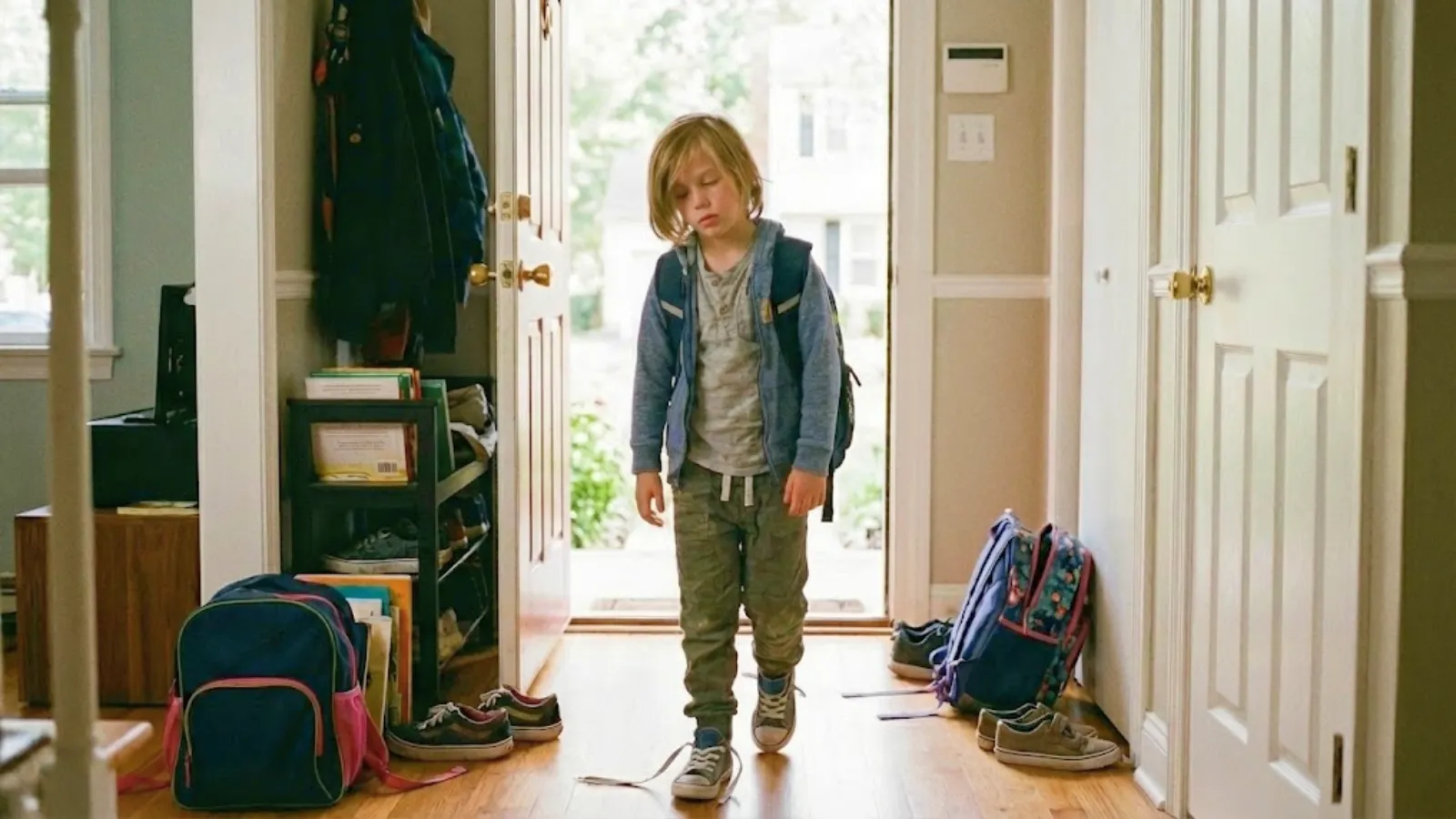
Your child holds it together at school and falls apart at home. Learn why after-school restraint collapse happens and what neurodivergent kids need at the door.
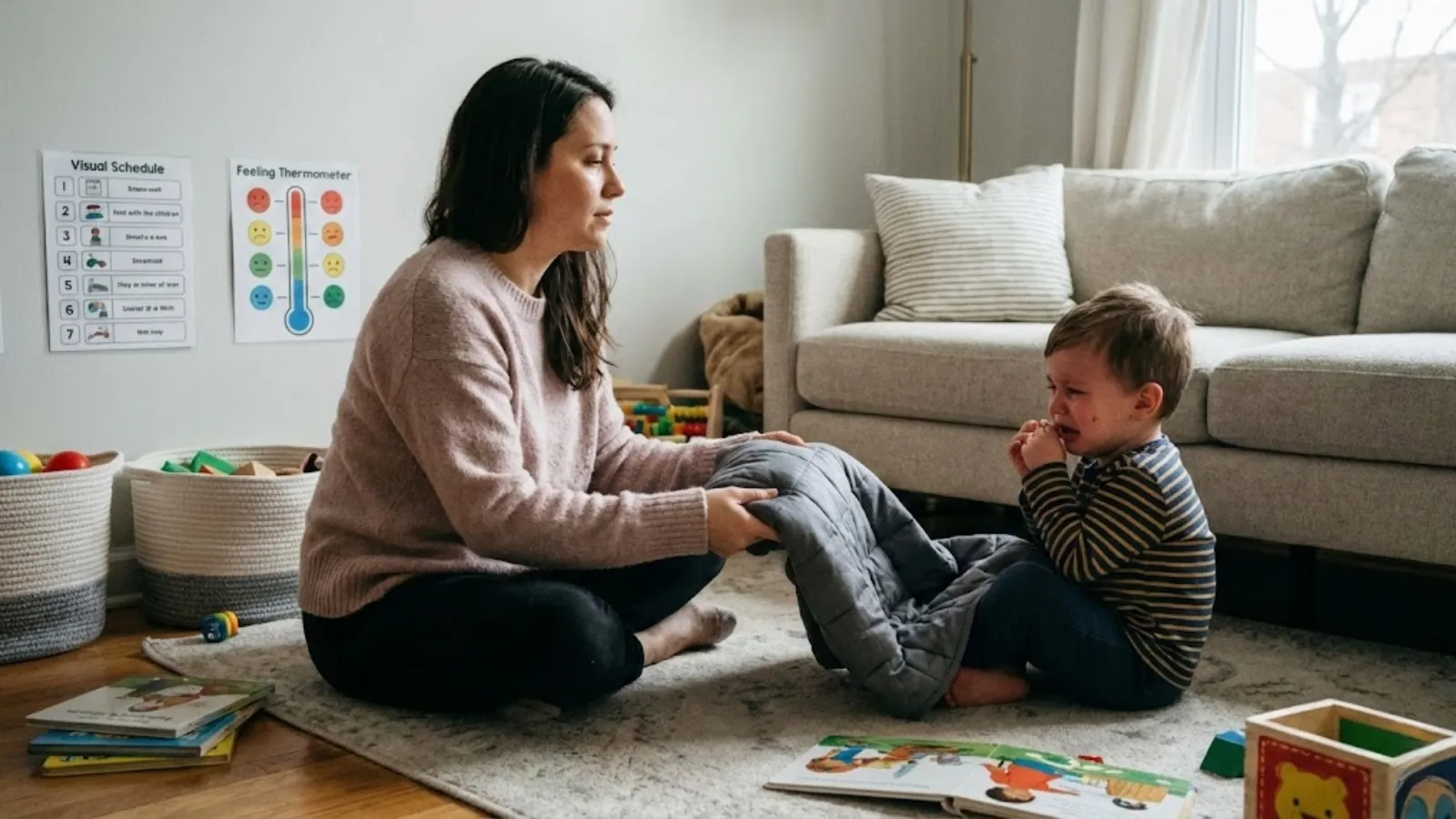
What looks like disrespect is often dysregulation or a behavioral disorder. See how ADHD, Autism, PDA, and ODD shape behavior and which parenting styles help.
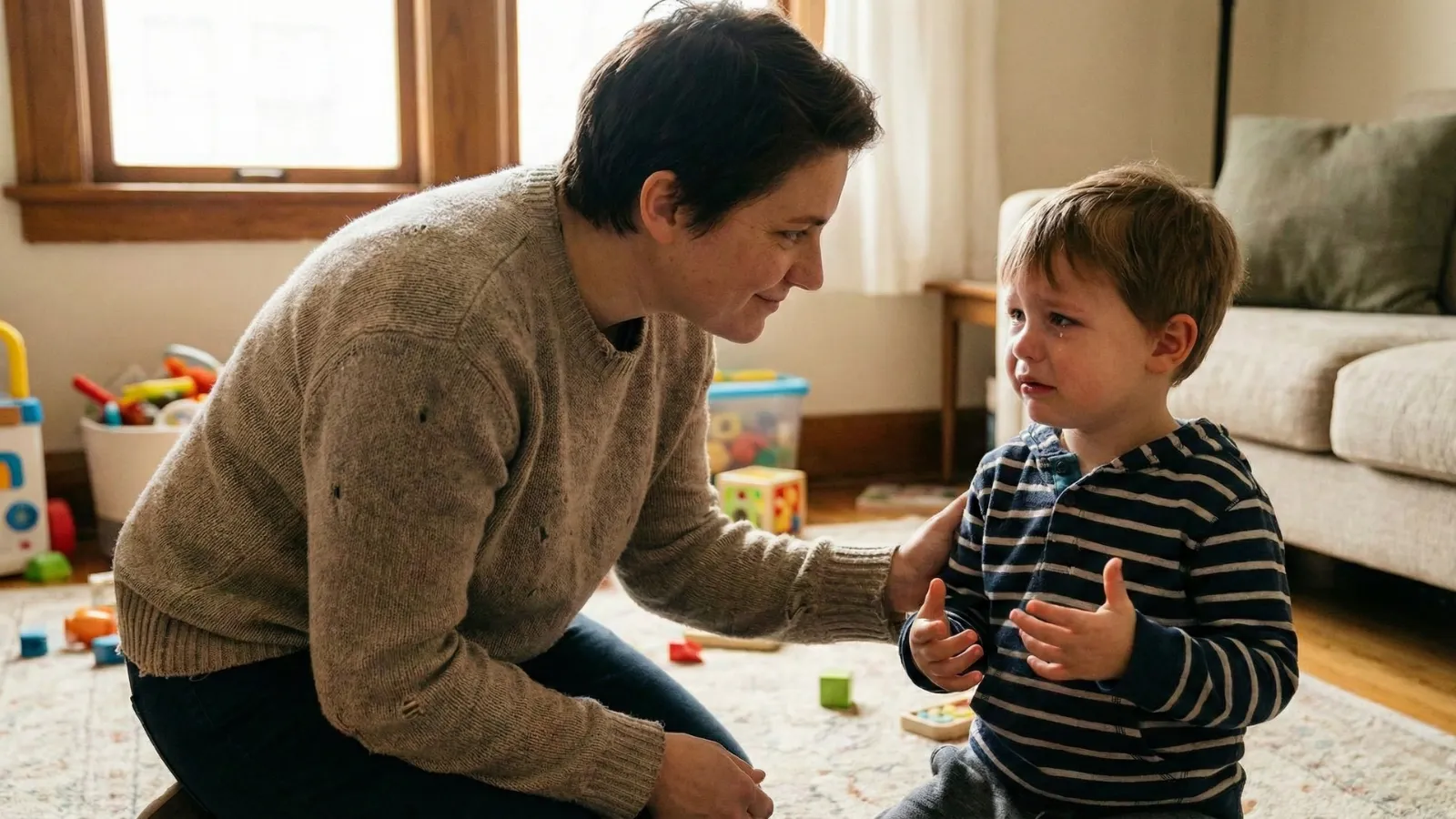
Strict parenting often backfires with ADHD. Learn how medication, therapy, coaching, and lifestyle support work together, and what to know about addiction risk.

ADHD medication helps your child focus, but it doesn't build skills. Learn where the real bottleneck is and what support turns better focus into real progress.

Up to 80% of neurodivergent kids struggle with sleep. Learn how ADHD, Autism, and AuDHD disrupt it, the trouble with melatonin, and what helps your child rest.

Your child's meltdowns aren't behavior problems. Learn what happens in their brain during a meltdown, how co-regulation helps, and how to spot the early signs.

Consequences often fail neurodivergent kids because their brains handle time and cause and effect differently. The CARE framework shows what teaches instead.

A stage-by-stage guide to building independence in ADHD and Autistic kids from age 4 to adulthood, with ways to teach self-advocacy and problem-solving.

Coddling a neurodivergent child can feel like support, but it can build helplessness and explosive behavior. Learn how to build independence with support.

Screen time isn't all good or all bad. Learn age-appropriate limits, how to curate safe content, and how to use screens to support routines and family time.
The morning, after-school, and bedtime routines that finally worked for our ADHD kids, what to do when a routine breaks down, and why predictable beats perfect.
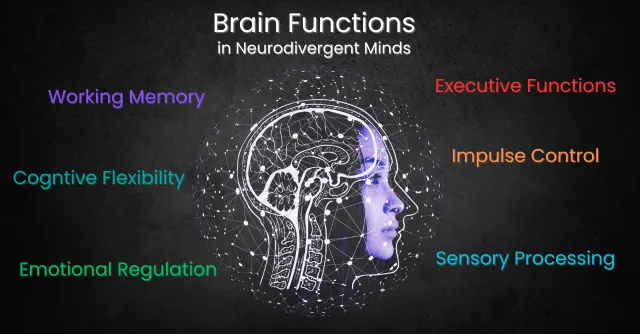
Executive function in ADHD and Autistic kids can run years behind their age. Learn why "they should know better" fails and how to build skills that last.

Research shows spanking harms children, and ADHD and Autistic kids are more vulnerable to its effects. Learn why fear doesn't teach and what to do instead.

Why eating is hard for ADHD and Autistic kids, how to spot ARFID and feeding disorders, why pressure backfires, and what helps your child eat more foods.

Fidgeting and stimming help ADHD and Autistic kids regulate. Learn the difference between the two, when to step in, and how to support them at home and school.

What a non-medication path for ADHD takes: parent training first, movement, nutrition, the few supplements with evidence, and therapy that supports the family.

Parent training is the recommended first step in treating ADHD in young children. Learn what it involves, why starting early matters, and where medication fits.